






Headlines

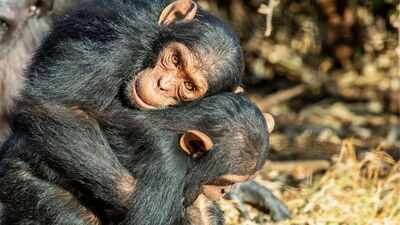
Chimpanzees and bonobos hug before meals to avoid fights and distribute food fairly, scientists discover |

Image Credit: Jake Brooker / Chimfunshi Wildlife Orphanage Trust Our closest animal relatives, bonobos and chimpanzees, share a quick hug or a pat on the back before having their meal, to keep the tensions from rising and maintain peace among them, as their hunger could create conflict within the group. For years, scientists believed these…
Read More

Gunaikurnai Rituals: Grass burned for magic, healing and cursing: 25,000-year-old cave discovery reveals ancient Australian rituals

For 25,000 years, the GunaiKurnai (an Australian Aboriginal nation) people carried grass into Cloggs Cave and burned it. Archaeologists have finally found physical evidence that proves the ritual existed. These people burned the grass as part of rituals tied to magic, healing and the spiritual realm. Researchers unearthed layers of ash rich in phytoliths, microscopic…

Read More

They can survive for 3000 years yet 1 in 5 of giant sequoias were destroyed in California fires; a NASA-funded study says controlled burns could dramatically improve their survival

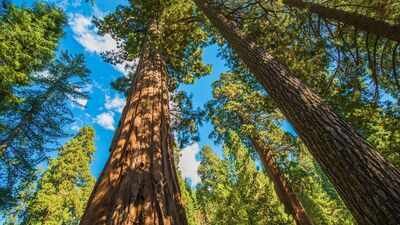
Giant sequoias (Image Credit: Canva) California’s giant sequoias have stood tall for thousands of years, surviving droughts, storms and countless natural fires. Yet, in just two wildfire seasons, these ancient giants suffered unprecedented losses. Between 2020 and 2021, record-breaking wildfires are estimated to have killed nearly 17% of the world’s mature giant sequoias, roughly one…

Read More

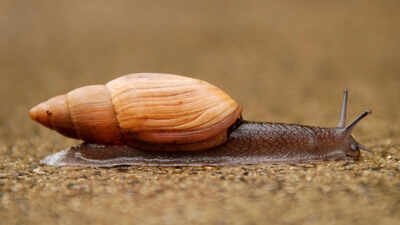
Hawaii: In 1955, Hawaii released a cannibal snail to control another invasive snail, but the predator instead helped push the islands’ rare native tree snails toward extinction

Still, the outlook for Hawaii’s snails is uncertain, symbolizing a new era in the conservation of endangered species. In 1955, wildlife officials in Hawaii released a meat-eating “cannibal” snail to control an invasive pest. But the plan went terribly wrong. Instead of eating the pest, the predator turned on the islands’ rare native tree snails,…

Read More

A silent coral reef came back to life after scientists played recordings of healthy reefs underwater |

The decline of coral reefs is often described through bleaching events, rising sea temperatures and fading marine life. Less attention is paid to something that disappears at the same time: sound. A healthy reef is rarely quiet. Snapping shrimp, feeding fish and countless other marine animals create a constant underwater backdrop that helps young fish…

Read More

128 new Saturn moons discovered: Scientists say they are fragments of ancient worlds |

Saturn has strengthened its position as the planet with the largest known family of moons after astronomers officially discovered 128 new moons. The discoveries were officially recognised by the International Astronomical Union (IAU) on 11 March 2025 following years of observations by an international team of researchers from Taiwan, Canada, the United States and France.The…

Read More

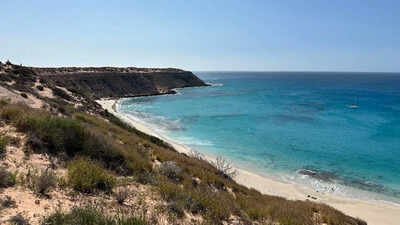
Feral cats erased 11 native species from this Australian island. Scientists are bringing back two truffle-eating marsupials to rebuild it |

Two threatened marsupials are being reintroduced to the Shark Bay World Heritage area in order to advance species conservation and ecosystem restoration. A new study from Edith Cowan University (ECU) confirmed that the presence of fungal food resources is important for supporting this effort.The study published in the journal Ecosystems and led by Edith Cowan…

Read More

AI can become more biased than humans while choosing who gets hired; study finds |

Artificial intelligence is increasingly being trusted to help employers screen CVs, rank candidates and even conduct early-stage interviews. The promise is simple: AI can process thousands of applications quickly, reduce administrative workloads and, in theory, make hiring decisions more objective than humans. According to a recent review by MIT Technology, based on the 2024 study…

Read More

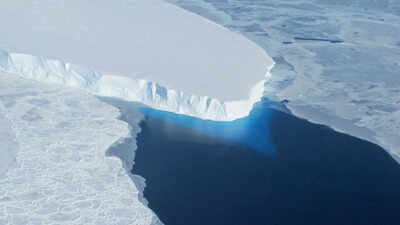
Warm ocean water is melting a giant Antarctic glacier from below. Scientists want to stop it with an 80km underwater curtain |

Scientists are checking if an underwater curtain is what will keep an Antarctic glacier from slowly melting due to warm water. The proposal is to install an underwater curtain about 80 kilometres long and up to 150 metres high in front of the Thwaites Glacier in West Antarctica. Between January and March 2026, an expedition…

Read More