






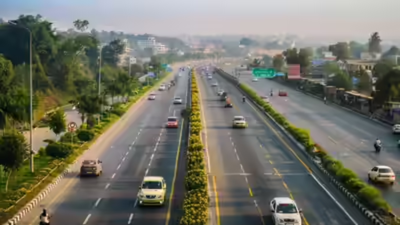
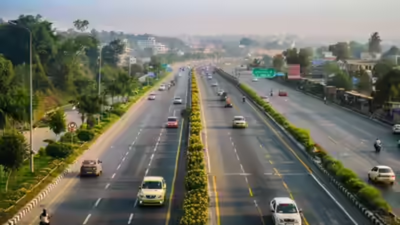
NEW DELHI: “Building the nation, not just highways” — the tagline for the National Highways Authority of India (NHAI) — was coined by then road transport and highways minister Major General (Retd.) Bhuwan Chandra Khanduri, who led the transformative highway development programmes of the Golden Quadrilateral (GQ) and the North-South and East-West Corridors during the Atal Bihari Vajpayee government, recalled former NHAI chairman Deepak Das Gupta.Khanduri, who served twice as the chief minister of Uttarakhand, passed away at a hospital in Dehradun on Tuesday after a prolonged illness. He was 91.A lateral entrant to BJP after he retired from Army, Khanduri brought to the rough and tumble of mass politics a hefty dose of rigour, discipline and integrity with a touch of authority, qualities which served him well as an administrator but were not always helpful for the demands of electoral contests.While it was then PM Vajpayee’s vision to build the Golden Quadrilateral (GQ) highway network, the responsibility of executing it fell on Khanduri, the minister in charge, and he carried it out brilliantly. His background in the Corps of Engineers proved advantageous, as he understood the intricacies of a sector crowded with interest groups. The quality and scale of the roads built during his tenure remain an enduring legacy of the first NDA government.Khanduri, who had taken charge as Minister of State (Independent Charge) — his first ministerial assignment — had given officials a free hand in implementing national highway projects. “After we briefed him about the highway development plans, he assured us of his full support. He told us he would not interfere and asked us to keep him informed about progress and developments from time to time. He would refer to us any issue related to the quality of work. He was a very focused minister who insisted on high-quality work,” Das Gupta recalled. He added that Khanduri had told officials that the GQ and the East-West and North-South connectivity projects were the “dream projects of the Prime Minister.”Another former road transport ministry official, R K Pandey, recalled how Khanduri would meticulously take notes during project review meetings and refer back to them in subsequent meetings. “He would go into details down to the second decimal point. If any issue or proposal was initiated by an official, he would ensure that all officers involved in the chain were present when the matter was discussed,” Pandey added.Officials who worked with Khanduri remember him as someone who was extremely particular about punctuality, adherence to protocol, and appreciative of officers and engineers for their good work.While he is still remembered for his huge contribution in steering country’s highway development, the road to state politics was bumpier. BJP brass picked him, then an MP, as their chief ministerial choice in 2007, much to the chagrin of entrenched state satraps in the faction-plagued party organisation.Political observers in the state remember the five-time Lok Sabha member as a chief minister who brought order and honesty to administration, knew how to manage the bureaucracy effectively, and practised what he preached by living simply and shunning groupism.“If his office informed organisers that he would arrive at an event at 6:15 pm, he would be there exactly on time. He would not make false promises and delivered on what he said,” one observer recalled, adding that his unfamiliarity with the requirement of politics, be it the need of keeping local satraps in good humour or the flexibility political management demanded, did not help him.Amid dissent within the Uttarakhand BJP and the party’s defeat in all five Lok Sabha seats in the state in 2009, Khanduri was replaced as chief minister by Ramesh Pokhriyal Nishank, only to be brought back months before the 2012 Assembly elections after the government faced corruption allegations and the Congress appeared resurgent.He began his second stint by asking all ministers and bureaucrats to declare their assets and by advocating the establishment of an anti-corruption watchdog, the Lokayukta, as a reinvigorated BJP sought to regain lost ground.The slogan “Khanduri Hai Zaroori” fuelled the BJP’s campaign to retain power. But, ironically, he lost his own seat from Kotdwar — a defeat some blamed on detractors within the party. The BJP won 31 seats against the Congress’s 32, allowing the latter to form the government.