








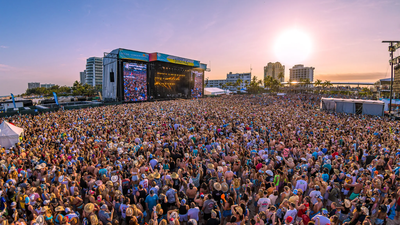
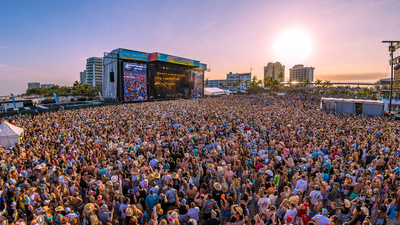
Music fans and environmental volunteers have planted more than 33,000 sea oats along Fort Lauderdale Beach over the past 13 years, turning an annual music festival into one of South Florida’s longest-running coastal restoration projects. The dune restoration effort began in 2013 alongside the first Tortuga Music Festival, an event created in partnership with the Rock The Ocean Foundation to raise money and awareness for marine conservation. Information published on the organisation’s official website confirms that volunteer groups and festivalgoers have planted native vegetation along the shoreline every year since the festival began. What started as a small local environmental project has grown into a long-term effort to strengthen sand dunes along busy parts of Fort Lauderdale’s barrier island.
Rebuilding coastal defences with sea oats
Sea oats, scientifically known as Uniola paniculata, are one of the main plants that help form sand dunes along the south-eastern coast of the United States. These tough perennial grasses have large underground root and rhizome systems that extend deep into the sand, helping hold loose grains in place and preventing them from being carried away by wind and waves. When wind moves across the beach, the tall leaves of sea oats catch blowing sand. The sand then builds up around the base of the plants. As more sand collects, the grass grows higher, creating a natural cycle that slowly builds and strengthens the dune. Coastal scientists and Florida environmental officials consider sand dunes the first major line of defence against Atlantic storms. Healthy dunes absorb some of the force of waves, high tides and storm surges, helping protect roads, buildings and homes from flooding and erosion. In busy urban beach areas such as Fort Lauderdale, heavy foot traffic and development can damage natural dunes. Bare dunes can quickly break apart when large waves reach the shore, leaving inland areas more exposed. By planting tens of thousands of sea oats over 13 years, the project has helped rebuild natural barriers along important sections of the public beach.
Bringing music fans into conservation
A major part of the environmental programme takes place at Conservation Village, an educational area set up at the festival each year. Information from the foundation shows that the site brings together dozens of non-profit ocean conservation groups, researchers and environmental organisations. Instead of asking festivalgoers to support conservation only through donations, organisers include hands-on environmental work as part of the event. Visitors can join guided planting sessions on the beach near the festival stages, placing sea oat plants in selected restoration areas with help from coastal resource managers. The programme gives festivalgoers a chance to meet marine scientists, learn about threats facing the oceans and take part in real restoration work before returning to the music. Money raised through Tortuga Music Festival ticket sales and corporate sponsorships supports marine conservation programmes run by Rock The Ocean around the world. The foundation focuses on five main areas: sea turtle conservation, shark protection, coral reef restoration, marine mammal protection and efforts to reduce plastic pollution.
Protecting sea turtle nesting beaches
The restored dunes do more than protect the coast from storms. They also provide important habitat for wildlife, especially nesting sea turtles. Broward County’s beaches are important nesting areas for loggerhead, green and leatherback sea turtles from April through October each year. Female sea turtles use raised, plant-covered dunes to lay their eggs safely above the high-tide line. When hatchlings emerge at night, they normally follow natural light from the horizon to find their way towards the sea. On developed coastlines, artificial light from street lamps, hotels and other buildings can confuse young turtles. Instead of moving towards the ocean, they may head towards roads, buildings or drainage areas. Thick vegetation on sand dunes can provide both a physical and visual barrier, reducing the amount of artificial light reaching nesting areas and helping hatchlings move towards the natural horizon. The more than 33,000 sea oats planted since 2013 have created a tall, dense plant barrier along important sections of Fort Lauderdale Beach. This supports local wildlife officials as they work to protect vulnerable turtle nests.
A model for greener festivals
The continuing dune restoration project at Fort Lauderdale Beach shows how large public events can include environmental work as part of their operations. Outdoor festivals are often criticised for producing waste, using large amounts of energy and putting pressure on the places where they are held. By making habitat restoration part of the festival programme, Rock The Ocean and Tortuga Music Festival organisers have shown that major events can also create lasting environmental benefits for the communities that host them. Local coastal management teams monitor the restored dune areas throughout the year. They track how many plants survive and how much the dunes grow. Post-storm checks have found that beach sections supported by established sea oat root systems lose less sand during tropical weather than areas without the plants. As organisers prepare for future festival seasons, they plan to continue the annual planting programme with coastal partners and expand vegetation across other vulnerable sections of the Fort Lauderdale shoreline.