







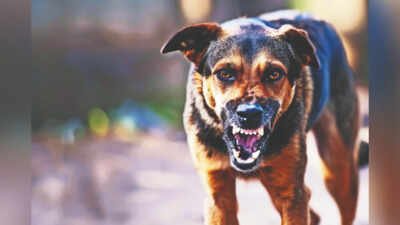
NEW DELHI: For a 21-year-old Delhi resident bitten by a stray dog, the ordeal did not end after he received rabies post-exposure prophylaxis. Within seven days, he developed a skin rash that progressed to severe hives (urticaria) and angioedema, causing sudden swelling of the face, lips and throat. His condition later worsened with breathing difficulty, requiring specialist dermatological intervention.The case comes against the backdrop of the Supreme Court’s May 2026 directions on the stray-dog menace, which stressed the need to protect people from dog attacks and strengthen measures for sterilisation, vaccination and dog-bite management.The young man was bitten over two weeks ago and was initially taken to a Municipal Corporation of Delhi (MCD) centre, where he received equine immunoglobulin (IgG) and a rabies vaccine.He was later taken to Ram Manohar Lohia (RML) Hospital. After two days of treatment, when he developed difficulty breathing, he was evaluated by the dermatology department.Doctors advised a single injection of omalizumab to control the severe allergic reaction. The medicine cost around Rs 16,000-17,000. The family was advised to explore obtaining it through the Central Government Health Scheme (CGHS), but the patient’s mother, Rama (name changed), bought it herself, worried about her son’s condition.The patient improved within 24 hours of receiving omalizumab and remains under treatment at RML Hospital.Dr Kabir Sardana, who treated the patient in the dermatology department, said he sees around one such case a week and believes this could be the first reported use of omalizumab for this type of reaction following rabies prophylaxis. The treatment was given after the option was discussed with the family and with their concurrence.Sardana said it can sometimes be difficult to distinguish whether a rash is due to the vaccine or immunoglobulin, as both early and delayed reactions can occur. “The aim is to maximise treatment, minimise discomfort and, of course, see the financial aspects of the patient,” he said.The episode also highlighted the financial burden of managing severe reactions. “Every patient cannot afford Rs 17,000. What can poor people do? They are suffering so much,” Rama said.More broadly, he said, adverse reactions following rabies post-exposure prophylaxis can be difficult to predict and may be under-reported, particularly skin reactions. Doctors are concerned that severe reactions could create fear of rabies injections and prompt some people to delay or avoid prophylaxis.
Share your thoughts in the comments
Be respectful · TOI community guidelines
Doctors stress, however, that people bitten or scratched by a potentially rabid animal should not avoid recommended post-exposure prophylaxis. Patients should instead be counselled about possible reactions and have timely access to medical care if serious symptoms develop.The concern is greater in rural and poorly resourced areas, where access to specialist and emergency care may be limited. Doctors say the case underlines the need for better reporting of adverse reactions and timely access to treatment when complications occur.