






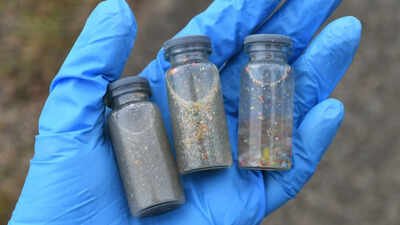
Scientists built a reusable magnetic material that removed more than 95% of microplastics and nanoplastics from water within one hour and showed early promise in removing some PFAS

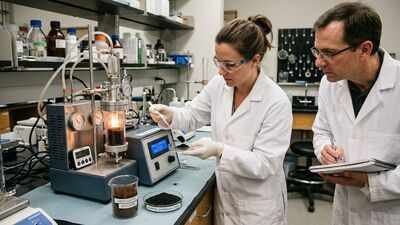
A vial containing magnetic adsorbent material designed to remove microplastics, nanoplastics, some PFAS and other contaminants from wastewater. Scientists at RMIT University in Australia have built a reusable magnetic material that removed more than 95% of micro- and nanoplastics from water within one hour and showed early promise against some PFAS.The new water treatment technology…
Read More

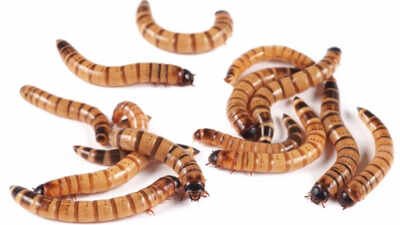
Scientists tested pet-store ‘superworms’ on animal specimens and found the beetle larvae can clean skeletons for museums without harsh chemicals or bone damage

Superworms, the larvae of Zophobas morio, are often used as animal feed Scientists tested pet-store ‘superworms’ on animal specimens and found the beetle larvae can clean skeletons for museums without harsh chemicals or bone damage.A common insect larva found in local pet shops is offering museums a safe, cheap, and gentle way to clean animal…

Read More

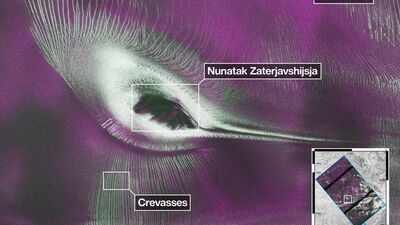
Nasa’s NISAR satellite captures a striking ‘hummingbird’ pattern hidden in Antarctica’s ice |

Nasa’s NISAR satellite has captured an unusual view of Antarctica, revealing a frozen landscape that appears to form the shape of a hummingbird from space. The striking pattern is not a feature simply carved by nature, but the result of a mountain interrupting the slow movement of glacier ice around it. Using advanced radar technology,…

Read More

Scientists drill 33 feet into a vanishing Alpine glacier to recover a 2,000-year climate record revealing ancient silver mining, massive forest fires, and far-off volcanic eruptions

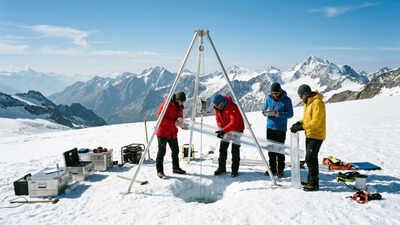
Scientists working on Alpine glacier (AI-generated image) Scientists drilled 33 feet into ice and recovered a 2,000-year climate record, a frozen capsule that can reveal how the atmosphere breathed long before modern measurements.High on the Weißseespitze glacier in the eastern Alps, an international research team extracted an ice core barely 33 feet long that preserves…

Read More

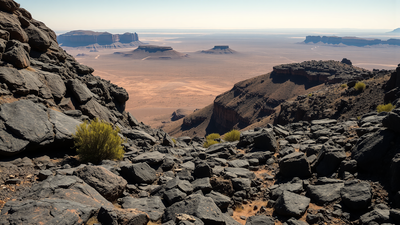
This 3.1-billion-year-old Australian rock reveals Earth began recycling water far earlier than scientists believed

Deep beneath the Pilbara region of Western Australia lies some of the oldest and best preserved crust anywhere on the planet, and it has just revealed something unexpected about Earth’s earliest history. Volcanic rocks dating back 3.1 billion years show chemical signs that surface water had already travelled deep into the planet’s interior at that…

Read More

These 95-million-year-old flowers bloomed before bees existed and still attract beetles |

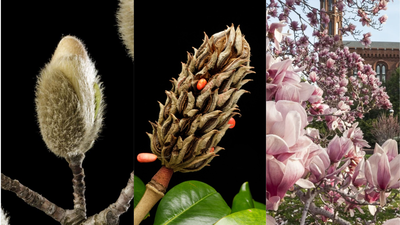
Image(s): Smithsonian Gardens Magnolia trees are admired around the world for their large, fragrant flowers, but they also preserve one of the oldest evolutionary stories in the plant kingdom. Long before bees, butterflies or many modern flowering plants appeared, magnolias were already blooming across prehistoric landscapes. Fossil evidence suggests the ancestors of modern magnolias evolved…

Read More