









Headlines

In 1839, Charles Goodyear dropped rubber on a hot stove, noticed it hardened, and this helped transform modern transportation

Charles Goodyear accidentally discovered vulcanization. Image credit – Wikimedia Natural rubber was known for its weaknesses, such as being sticky at high temperatures and brittle at low temperatures, which made it unsuitable for extensive industrial applications. Charles Goodyear’s attempts to enhance natural rubber were underway in 1839. Then came the pivotal moment.Historical literature describes the…

Read More

Scientists looked inside Bolivia’s zombie volcano, and the reality eased everyone’s fears

Mount Uturuncu, a Bolivian volcano, is not on the brink of a massive eruption as previously feared. New research reveals its ‘zombie’ behaviour stems from migrating hydrothermal fluids and gases, not an imminent magma buildup. A huge shadow has been hanging over the Bolivian Plateau for many years. Standing more than 6,000 meters above the…

Read More

In 1967, a Cambridge student spotted a ‘scruffy’ printout blip that revealed the universe’s mysterious ticking stars

In 1967, Jocelyn Bell Burnell discovered an unusual, regularly pulsing radio signal. This led to the identification of pulsars, rapidly rotating neutron stars, a previously theoretical celestial body. Image Credits: Wikimedia Commons Looking into the heavens in the middle part of the twentieth century did not always require viewing the starry night through a glass…

Read More

In 1978, a Mexico City street dig unearthed a colossal Aztec stone disk that reopened the sacred heart of the ancient empire

In 1978, utility workers in Mexico City unearthed the massive Coyolxauhqui Stone, a significant Aztec artefact. This discovery revealed the Templo Mayor, the empire’s religious and political centre, buried beneath the modern city. Image Credit: Wikimedia Commons Any digging in the concrete of a modern metropolis would most likely bring up only remnants of ancient…

Read More

Why a Bill Gates-backed insect factory releases 30 million mosquitoes every week

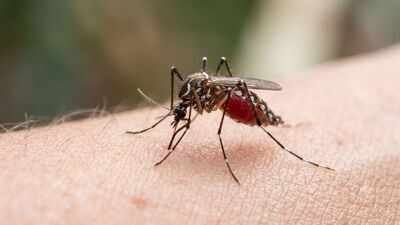
Deep inside Medellin, Colombia, scientists are breeding millions of mosquitoes every week and then releasing them into the environment on purpose. At first, that may sound strange, especially because mosquitoes are known for spreading dangerous diseases. But researchers say these insects are actually being used to help stop illnesses like dengue, Zika, chikungunya, and yellow…

Read More

NASA is chasing an asteroid that contains more gold than exists on Earth

Somewhere between the orbits of Mars and Jupiter, a giant metallic world drifts silently through deep space. Unlike ordinary rocky asteroids, 16 Psyche has captured global attention because scientists believe it may contain enormous quantities of valuable metals, including iron, nickel, platinum, and possibly more gold than has ever been mined on Earth. The asteroid’s…

Read More

“Hope is both the earliest and the most indispensable virtue inherent in the state of being alive. If life is to be sustained hope must remain, even where confidence is wounded, trust impaired.”

Erik Erikson (Image: Wikipedia) Hope is one of those things people rarely notice when life feels stable. It quietly sits in the background while plans move normally, relationships feel secure, and the future appears manageable. Most people do not wake up every morning consciously thinking about hope. They simply assume tomorrow will arrive and life…

Read More

In 2001, a metal detectorist in a Kent field found a “crumpled piece of scrap” that was actually a 4,000-year-old royal treasure |

In 2001, a metal detectorist in Kent unearthed the Ringlemere Cup, a rare Bronze Age gold bowl. Image Credits: British Museum, via Wikimedia Commons While searching an average field in Kent, Cliff Bradshaw was accustomed to seeing the typical pieces of metal waste and junk common to the English landscape. But on an uneventful day…

Read More