








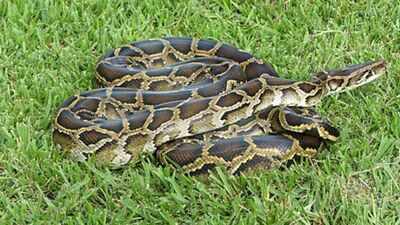
The Everglades faces a major challenge from non-native species that can change habitats, disrupt food webs, and make restoration harder. Several invasive plants already cover large areas, while animals such as the Burmese python have altered populations of native wildlife.Melaleuca, Brazilian pepper, Australian pine, and Old World climbing fern are among the damaging plants. Together, they can displace native vegetation, change fire patterns and alter ecosystem structure.The Burmese python has also become a top carnivore in the Everglades food web, with major declines recorded among native mammals. According to the National Academies, managing these invasions is important for restoring the ecosystem and protecting its native habitats and species.
How do non-native species threaten Everglades restoration
Non-native species can interfere with Everglades restoration by displacing native species and changing the structure of habitats. Some species affect individual native plants or animals, while others alter fire regimes, nutrient cycles, or hydrology, creating wider effects across habitats.Melaleuca and Old World climbing fern, for example, can change fire patterns in parts of the Everglades, affecting marshes, sawgrass prairies, and tree islands. Brazilian pepper and Australian pine can replace native vegetation and alter habitats.Invasive species can also interact with one another. Some introduced species remain limited for decades before spreading rapidly, which makes it difficult to determine how serious a new introduction may become across different habitats.
Why are melaleuca and Brazilian pepper a threat to the Everglades
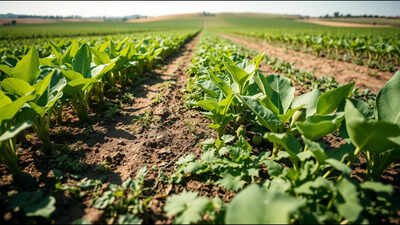
Melaleuca is a highly invasive tree native to Australia, New Guinea, and New Caledonia. It can establish in sawgrass prairies and tree islands, converting them into low-diversity forests with altered structure. When melaleuca-dominated areas burn, the fires become much more intense and release millions of seeds, which helps the tree spread.Melaleuca infested more than 40,000 acres of the Everglades Cooperative Invasive Species Management Area in 2010-2012. Efforts to control melaleuca through mechanical removal, herbicides, and biological control reduced its canopy coverage by an estimated 36% during that period.Brazilian pepper produced an estimated 16% increase in canopy acres from 2010-2012. Its spread can displace native species and alter fire regimes.
How do invasive plants affect native Everglades species
Australian pine is another invasive plant affecting the Everglades. Its roots and fallen needles can interfere with nesting by loggerhead and green sea turtles, while thick layers of litter beneath dense canopies can hinder the regeneration of other plants.Mechanical removal is difficult because the trees can sprout again, and controlled burning is not effective. Old World climbing fern alters native plant species and fire regimes. Other invasive plants include water hyacinth, hydrilla, air potato, shoebutton ardisia, torpedograss, downy rose myrtle, cogongrass and water lettuce.Some displace native plant species, while aquatic plants can clog waterways. Approximately 250 non-native plant species occur in aquatic, wetland, and terrestrial habitats of the Everglades, making invasive plants a restoration challenge.
Burmese pythons have reduced native mammal populations
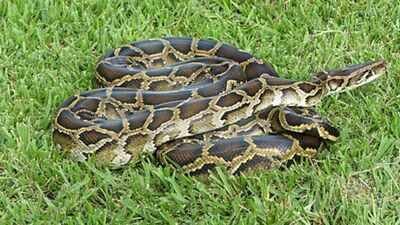
The Burmese python is a top carnivore in the Everglades food web and can eat almost any vertebrate it can reach. Its invasion has coincided with declines in several native mammals. Populations of bobcats, raccoons, and opossums declined by about 90%, while rabbits experienced a 100% decline.The python is also spreading quickly, and native bird populations may face risks. Other invasive animals can affect native wildlife as well. Argentine black and white tegus, Nile monitors, and Burmese pythons are potential threats to American alligators and American crocodiles through egg and hatchling predation, competition for food, or direct predation. Together, these pressures make it harder to restore native habitats and species in the Everglades.