






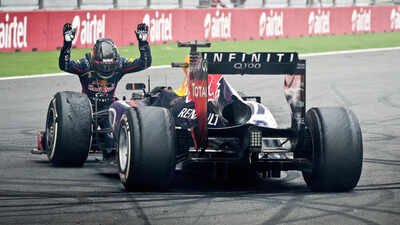
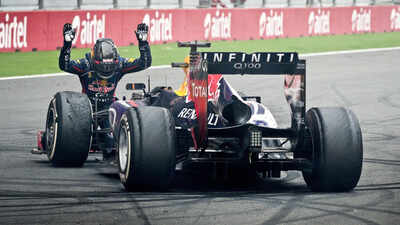
NEW DELHI: Sebastian Vettel won the 2013 Indian Grand Prix, completing a hat-trick of victories at the Buddh International Circuit. It was also the day he sealed his fourth Formula 1 world championship. However, it turned out to be India’s last Formula 1 race.The Indian Grand Prix ran for three years, from 2011 to 2013, but the race was suspended in 2014 and later disappeared from the calendar amid a tax dispute.Thirteen years later, the government has put Formula 1 back on its agenda.The Sports Ministry has formed a task force led by NITI Aayog’s Yugal Kishore Joshi to work on the revival and development of Formula 1 and motorsports in India. The task force will assess the motorsports ecosystem, review the challenges that affected the sport in the past, and examine the feasibility of hosting a Formula 1 race, with a target of a possible return by 2028.But before India can look at a new Grand Prix, there is a question from the previous one that still needs answering: why did F1 leave India after just three races?
Three Indian Grands Prix and a tax dispute
The Buddh International Circuit was built in 2011 and was designed by German engineer Hermann Tilke.
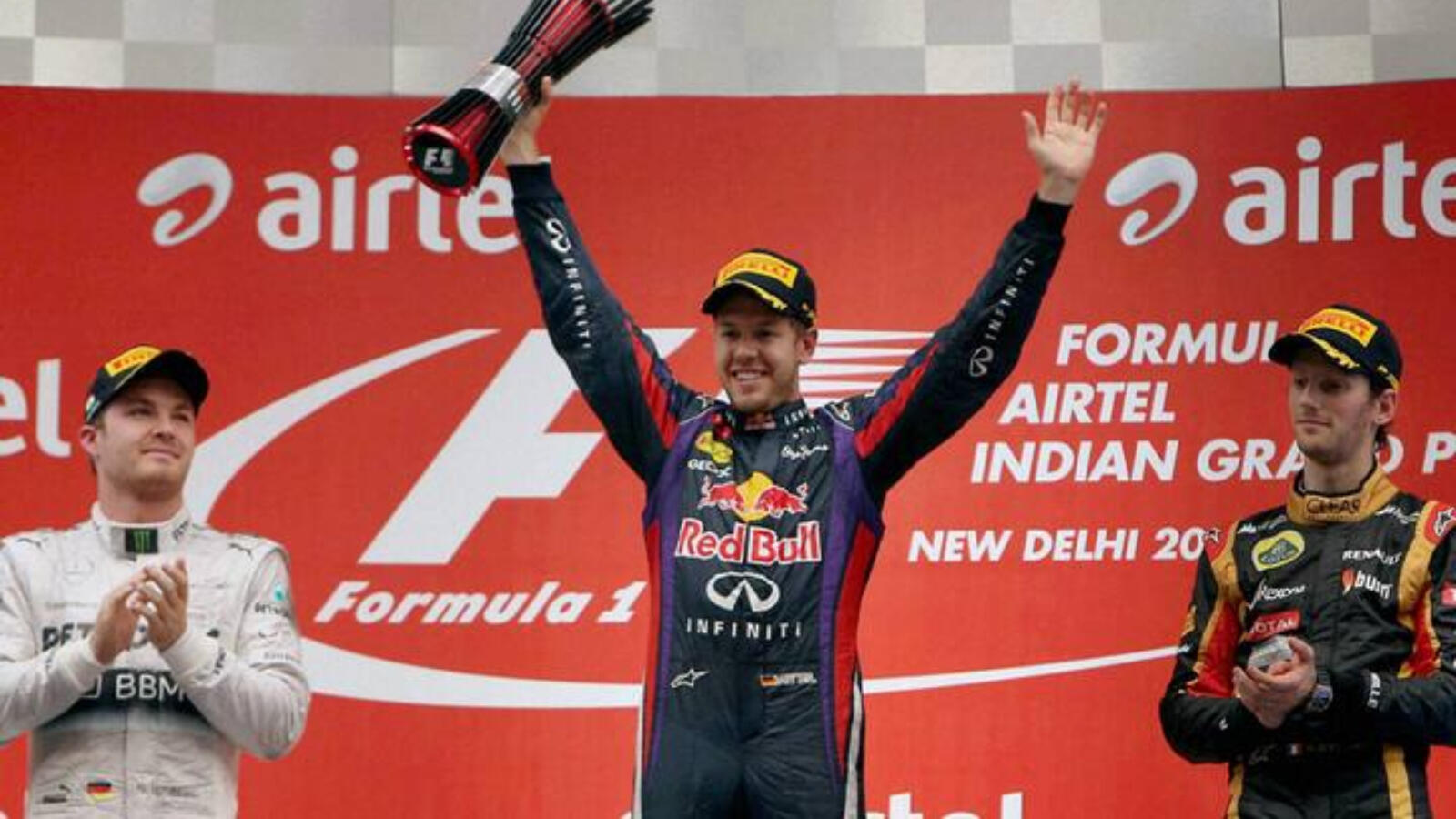
Sebastian Vettel celebrates with the winner’s trophy as runner-ups Nico Rosberg (L) and Romain Grosjean of Lotus
The dispute centred on the taxation of Formula 1 and its commercial activities in India. A key question was whether F1 should be classified as a sport or an entertainment business under Indian tax laws. The issue affected tax exemptions, customs duties and payments between race promoter and Formula 1’s commercial rights holder.In 2017, the Supreme Court ruled that Formula 1’s commercial rights company had a permanent establishment in India, making income linked to its Indian operations taxable.The ruling complicated the tax position and the financial obligations surrounding the Indian Grand Prix. Liberty Media, which acquired Formula 1’s commercial rights in 2017, reportedly set aside USD 14.8 million to settle the tax liability.The problems, therefore, went beyond the cost of staging a race. The tax treatment of Formula 1, the movement of equipment across borders and the commercial structure surrounding the event had become major obstacles.The episode exposed a fundamental challenge for India: hosting a global sporting event requires more than a world-class venue. The regulatory framework, taxation rules and contractual arrangements must also work for an event that operates across international borders.
Government takes another look
The Sports Ministry’s task force is now being asked to examine those problems and assess whether the conditions are different enough for India to try again.“Basically, the task force will look into the possibilities and advise on how to move forward. It will assess the current situation, learn from the past, and identify the best way to take things forward, particularly in terms of development,” FMSCI president Arindam Ghosh told TimesofIndia.com.The exercise could help establish what needs to change in the way India approaches international motorsport, from policy and taxation to operational clearances and the development of the wider racing ecosystem.
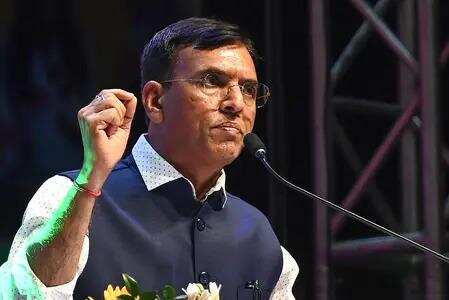
Task force to be formed for Formula 1 revival, motorsports policy in India: Sports Minister Mansukh Mandaviya
Why now, after 13 years?
Ghosh pointed to the growth of motorsport and the government’s interest in developing the sport in India.“Better late than never. Motorsport is gaining significant global popularity and is becoming increasingly prominent across the world. With the sport also expanding into more Asian countries, this is the right time for India to explore its return. The government recognises the growing importance of motorsport, so why not look at bringing it back?” he said.The audience for Formula 1 in India has also changed considerably since the last race.Formula 1 and FanCode state that the Indian fanbase had reached 79 million by late 2025. F1 CEO Stefano Domenicali said in June 2026 that the figure had risen to 98 million, with 20 million fans added in the previous year.India has not hosted a Grand Prix since 2013, but its F1 audience has continued to grow.
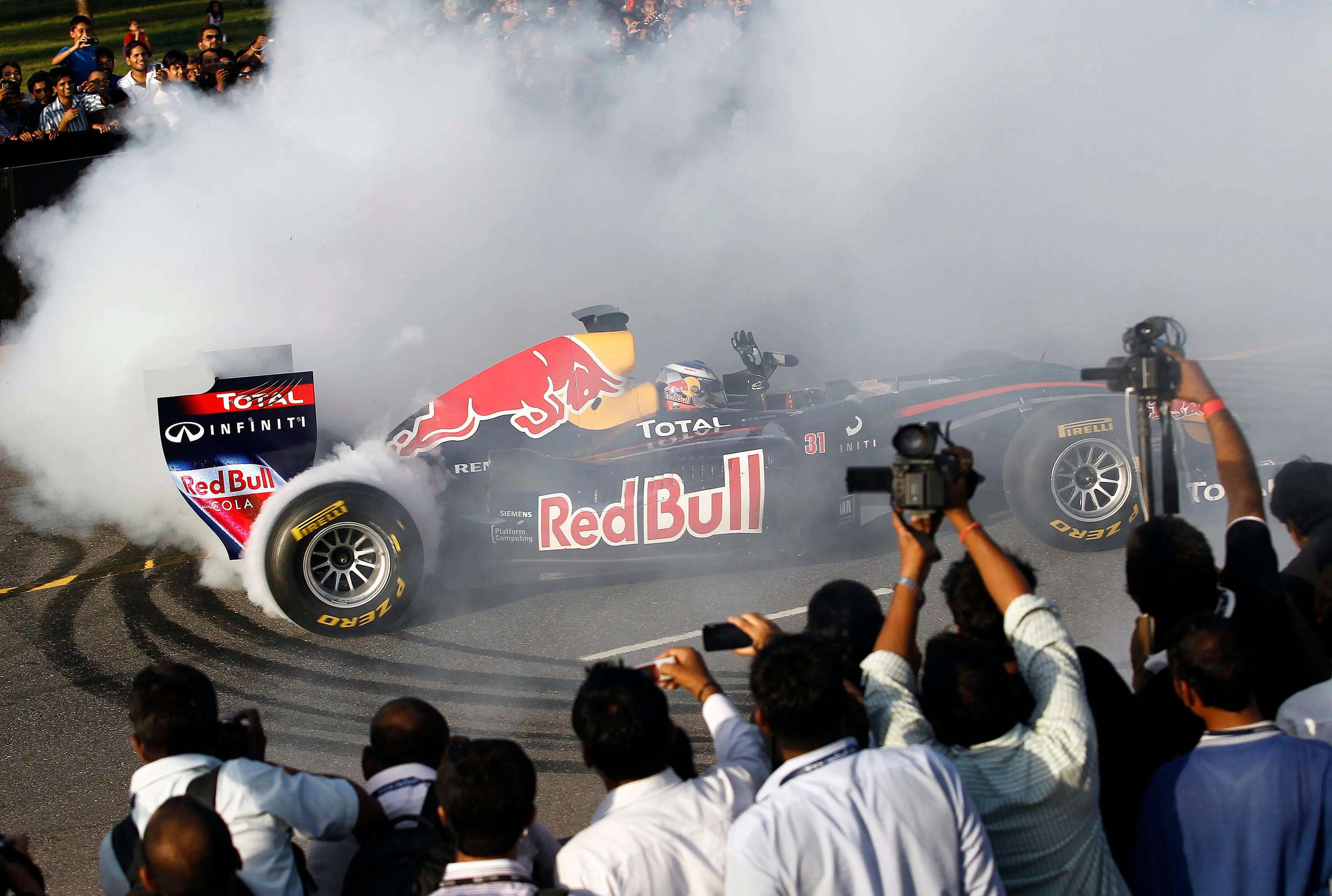
Red Bull Formula One reserve driver Daniel Ricciardo drives near the India Gate during his team’s road show in New Delhi
That presents a different opportunity from the one India had when it first hosted the championship. A return could connect an established global sporting property with a much larger domestic audience, including younger fans who have followed the sport through digital platforms and streaming.But a larger audience does not automatically translate into a viable race. India would still need to establish a sustainable arrangement with Formula 1, secure the necessary financial backing and ensure that the costs and regulatory obligations of hosting the event are manageable.
Who will bring the race back?
The government can address policy and taxation, but Formula 1’s return would also depend on a promoter willing to undertake the financial and organisational responsibility of staging a Grand Prix.The Indian Grand Prix was organised by the original developers of the Buddh International Circuit, which hosted Formula 1 races in Greater Noida from 2011 to 2013.The ownership landscape has since changed. The circuit’s original parent group underwent insolvency proceedings, culminating in a ?14,535-crore acquisition of its flagship company by a new owner.The change could bring a different set of possibilities for the circuit, although any F1 revival would depend on a viable commercial arrangement and the necessary regulatory clearances.
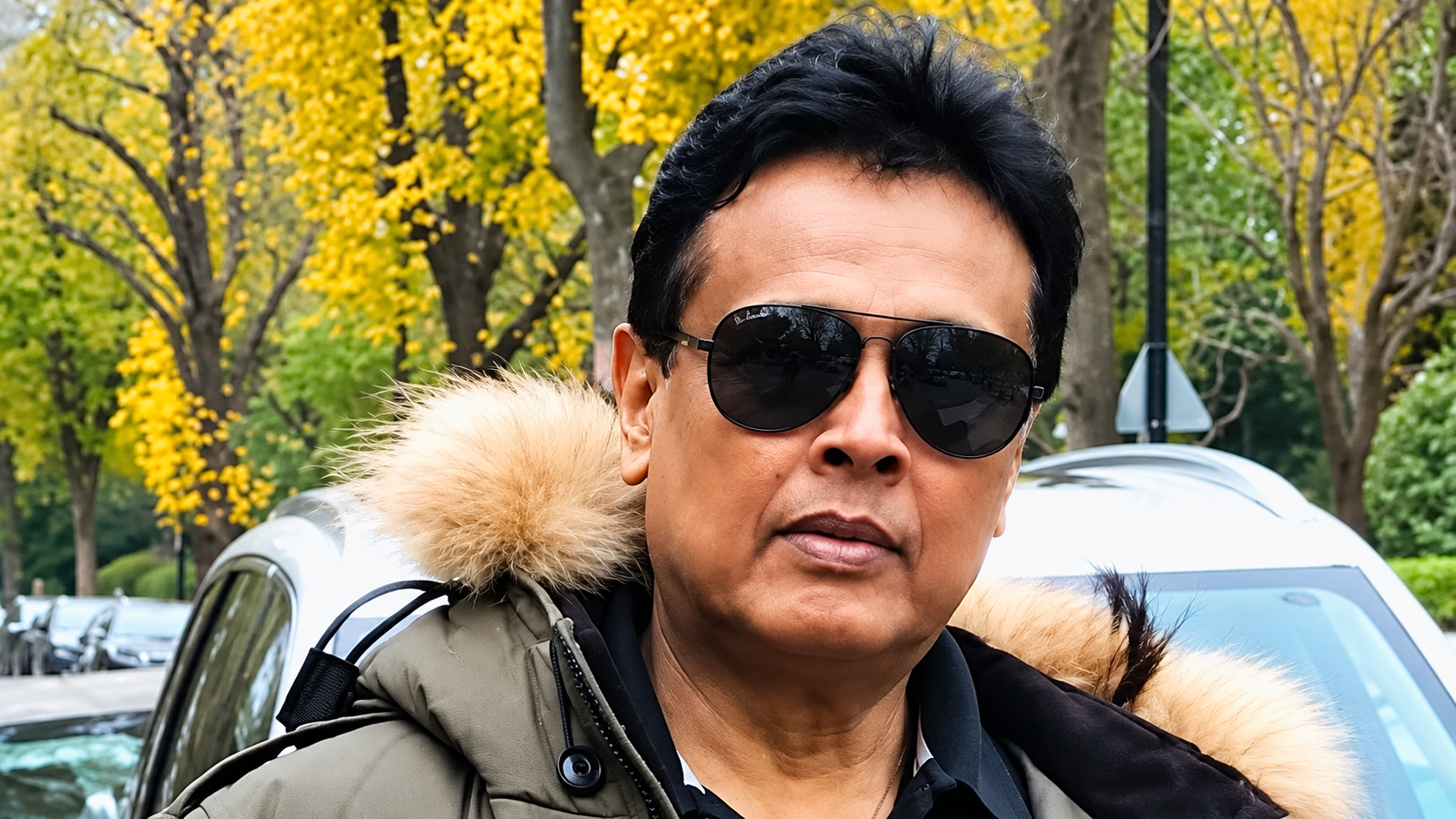
FMSCI president Arindam Ghosh
That change raises questions about the future arrangements for the circuit and the organisation of a possible Grand Prix. However, ownership of the venue is only one part of the equation. A race would also require agreement with Formula 1’s commercial rights holder, a viable funding model, sponsors and broadcasting arrangements.Ghosh does not see sponsorship as the biggest obstacle.“Not necessarily. The main reason was that no one took the initiative to bring Formula 1 back to India. Our economic conditions have improved significantly, so I don’t think sponsorship will be a major problem,” he said.“Bringing F1 back would give a boost to the Indian economy, create opportunities in tourism and enhance the country’s global standing. The World Rally Championship (WRC) is also in the pipeline. Both events have a strong fan following, and hosting them would be a matter of prestige for India, while also delivering economic and tourism benefits,” Ghosh added.The challenge will be to translate that potential into a workable long-term plan. A Grand Prix requires substantial investment, and its viability depends on more than ticket sales or audience numbers. The arrangements must account for hosting fees, infrastructure, logistics, promotion and the wider economic benefits a race could generate.For India, the task force’s assessment will be important in determining how those competing considerations can be balanced.
Import duties, clearances and the circuit
Import duties were another issue during the earlier Indian Grand Prix, particularly for teams bringing equipment into the country. Formula 1 teams travel with specialised machinery, tools and technical equipment, much of which must cross international borders under strict schedules.Ghosh said the government is now looking at a system that could address that problem.“Yes, import duties were one of the main reasons earlier, but I don’t think they will be an issue anymore. The ministry is now clear about moving forward and has appointed a task force to look into these matters, including duty-related issues and a single-window clearance system to make it easier for teams and equipment to enter and leave the country,” he said.A streamlined clearance process could reduce delays and simplify the movement of equipment. For a championship that operates to a tightly packed international calendar, predictable customs procedures and clear rules would be essential.
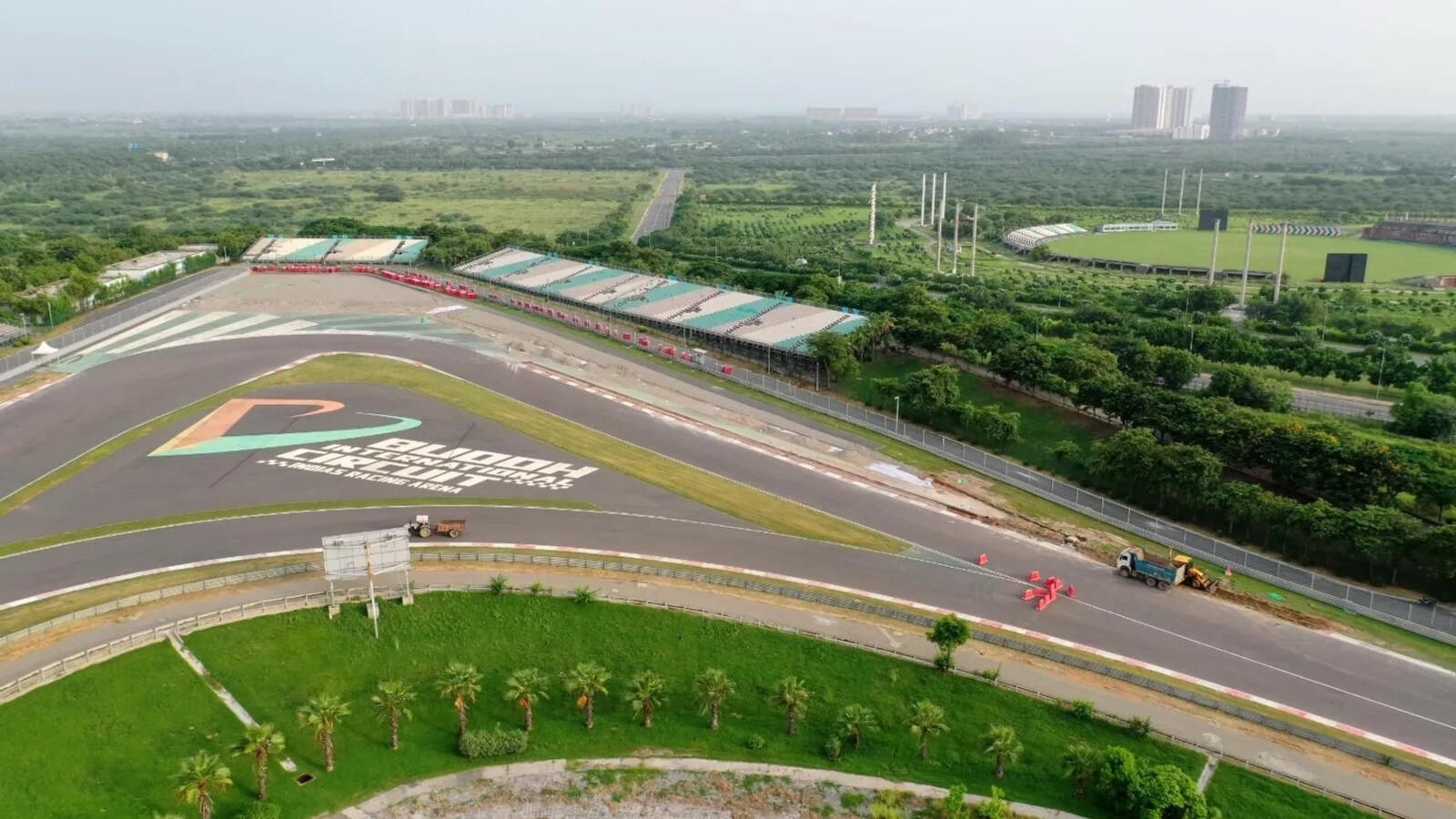
Buddh International Circuit
“The circuit is already there. The FIA’s role will be to assess the technical requirements. It will inspect the track, after which the necessary upgrades will have to be carried out,” Ghosh added.The existing infrastructure could give India a starting point, although a return would still require an assessment of the circuit by the FIA, the sport’s governing body, as well as an agreement with Formula 1’s commercial rights holder.The track’s availability alone, therefore, cannot guarantee a place on the calendar. Technical compliance, operational readiness and a viable commercial agreement would all have to come together.That is where the task force’s broader assessment becomes important.
Akbar Ebrahim: Understand the full F1 ecosystem
Akbar Ebrahim, a former Indian racer in Formula 2 and a three-term president of the Federation of Motor Sports Clubs of India, welcomed the government’s decision to set up the task force.“The federation did not set up the task force. It is being formed now by the government, through the Ministry of Sports and the honourable sports minister. This is a very positive development. It is encouraging to see the government taking an interest in motorsport, particularly Formula 1. In the past, motorsport did not receive the kind of attention it is getting today,” Akbar told Timesofindia.com.He said the previous Indian Grand Prix should form an important part of the assessment.“The task force can examine what went wrong previously, why the contract was not renewed and why the race was held in India for only three years. It can also assess what needs to be done now and whether bringing Formula 1 back is feasible,” he added.For Ebrahim, that assessment cannot stop at the circuit.“Formula 1 is a vast subject, and it is important for everyone involved to understand its entire ecosystem. This includes the circuit, organisational capabilities, requirements and commercial arrangements with Formula 1’s commercial rights holder, the Liberty Group, as well as the FIA, the sport’s world governing body, which oversees its technical and official aspects. The government needs to understand all these elements before making an informed decision on how to proceed. Setting up the task force is therefore a very good step,” he said.
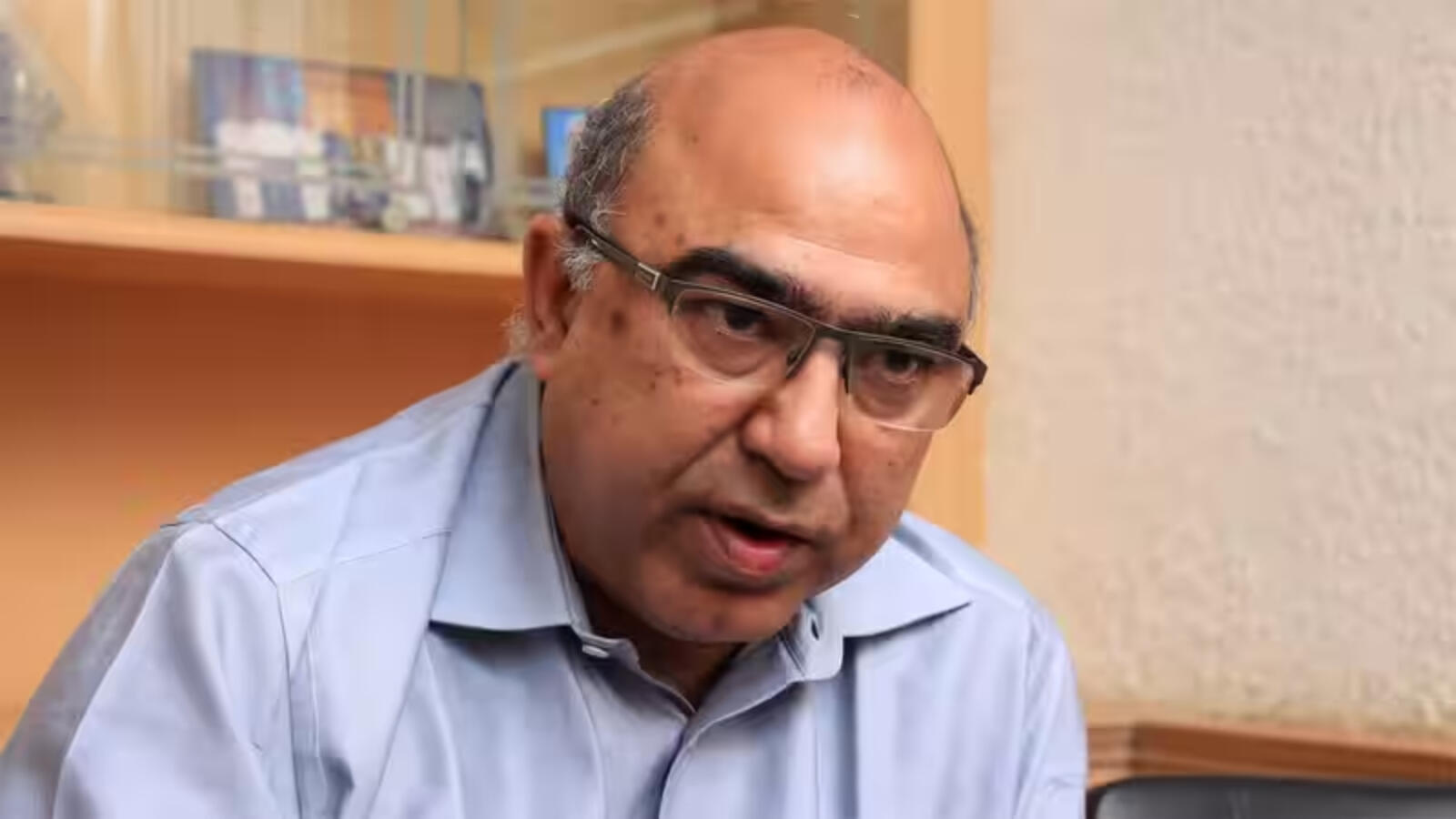
Akbar Ebrahim
His point is central to the revival debate. A Grand Prix is not simply a race weekend at an existing circuit. It involves coordination between the government, the venue, the championship’s commercial rights holder, the governing body, the promoter and the various agencies responsible for delivering the event.India’s previous experience offers a case study in what can go wrong when the arrangements surrounding an international sporting event become difficult to sustain.
A bigger Indian F1 audience, but questions remain
The prospect of a return has already brought back memories of the 2011-13 races. For younger fans who discovered Formula 1 through streaming, social media and Drive to Survive, a race at Buddh would be their first opportunity to watch the championship compete on home soil.There is excitement, but also scepticism over whether 2028 is realistic, given the crowded F1 calendar. Some fans are also asking for a longer-term commitment rather than another three-race association.For the government, the task force will now examine the issues that would have to be settled before a return.
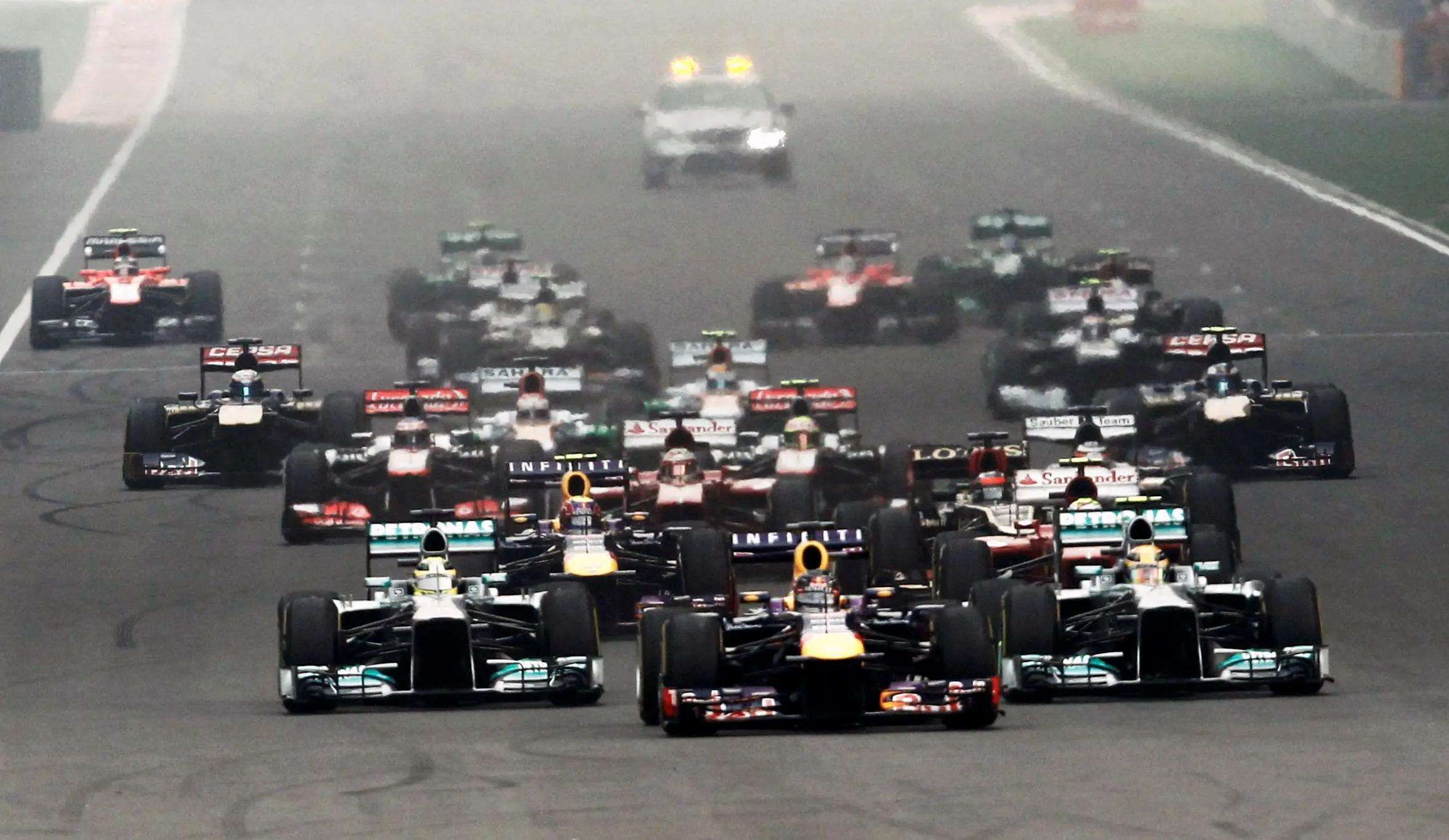
FILE PHOTO_ Red Bull Formula One driver Vettel leads the field at the start of the Indian F1 Grand Prix at the Buddh International Circuit in Greater Noida
Its responsibilities include reviewing taxation and other policy barriers, evaluating infrastructure and operational requirements, assessing the economic, tourism, investment and international benefits of hosting major motorsport events, and preparing a roadmap for the development of motorsport.A policy framework, including possible public-private partnership models, is also expected to be considered.That work could determine whether India can create the conditions necessary to host Formula 1 on a sustainable basis, rather than treating a return as a one-off sporting spectacle.India has the Buddh International Circuit and a much larger F1 audience than it had when Vettel won the last Indian Grand Prix in 2013.The question now is whether the government can put the commercial and regulatory framework in place for Formula 1 to return – and stay.