







Australia’s Golden Bandicoot population has reached about 300 animals at Newhaven Wildlife Sanctuary in Central Australia, around two and a half years after 80 were reintroduced into a fenced predator-free area. The Australian Wildlife Conservancy says the population has tripled since the animals were released in August 2023. The increase has followed strong breeding and survival in a 9,450-hectare refuge where feral cats and foxes are kept out. The result offers a close look at how quickly a threatened native mammal can recover when one of its main pressures is removed.
How did 80 golden bandicoots reach the predator-free sanctuary
The Golden Bandicoot had been absent from Central Australia for about 60 years before its return to Newhaven. According to the Australian Wildlife Conservancy, the reintroduction took place in August 2023, when a founding population was brought to the sanctuary on Ngalia-Warlpiri and Luritja Country in the Red Centre.The Australian Wildlife Conservancy reports that the project involved cooperation between First Nations custodians from Western Australia and Central Australia. The Ngarinyin People, Traditional Custodians of Wilinggin Country in the Kimberley, provided the founding animals, helping establish a new population at Newhaven.The 9,450-hectare fenced refuge was designed as a safe area for native wildlife, with feral predators excluded. The Australian Wildlife Conservancy says the sanctuary is one of the largest non-government protected areas in Australia.
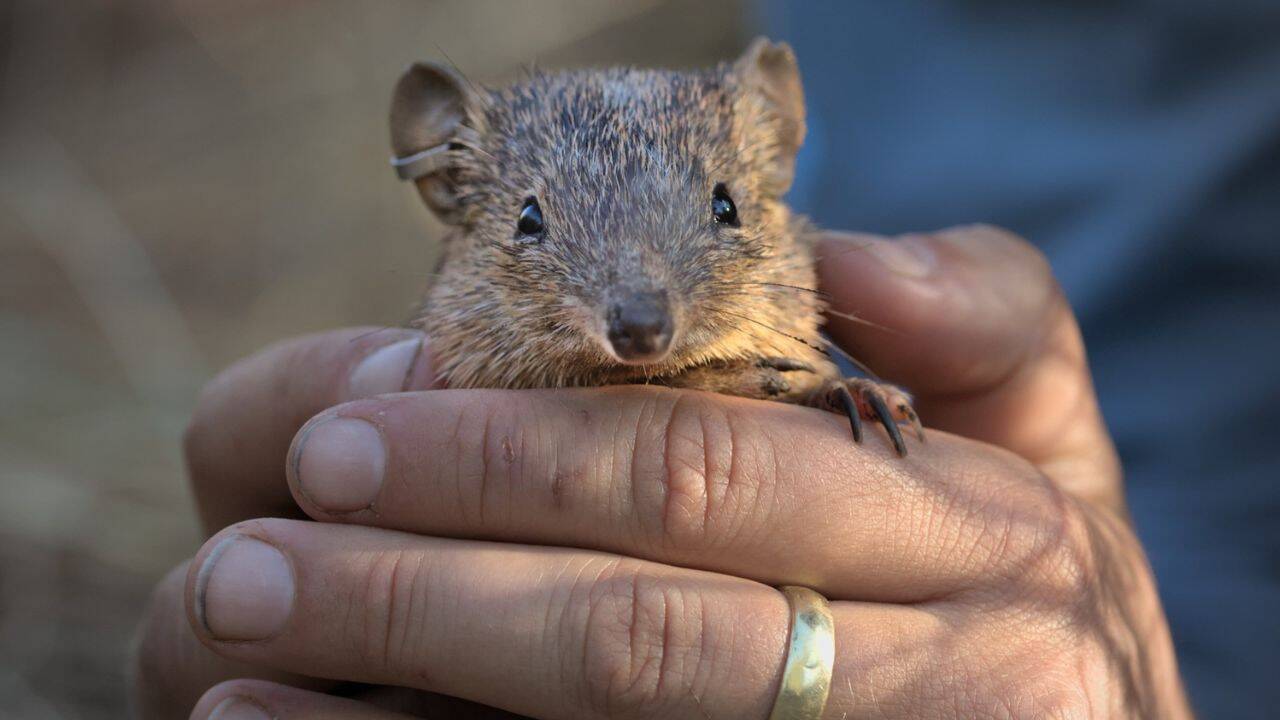
Image Credit: Tom Sayers/AWC
Importance of protection from predators
Golden Bandicoots once occupied a much larger part of mainland Australia. The Australian Government Department of Climate Change, Energy, the Environment and Water explains that their mainland distribution became highly fragmented after major declines linked to feral cats, foxes and altered fire patterns.The Australian Wildlife Conservancy describes the Golden Bandicoot as a vulnerable ground-dwelling marsupial and identifies feral cats as its greatest continuing threat. Feral herbivores and changes to fire regimes also affect the species, while intense fires can reduce ground cover and leave bandicoots more exposed to cats.The species has now disappeared from most of its former mainland range. According to the Australian Wildlife Conservancy, mainland populations persist in only a few parts of the north-west Kimberley, alongside populations on several offshore islands.
What happened to the population after reintroduction
The population at Newhaven has grown rapidly. The Australian Wildlife Conservancy estimated that around 300 Golden Bandicoots were living inside the refuge two and a half years after the reintroduction, compared with the 80 animals released in 2023.Recent monitoring provided a clearer picture of where that increase came from. During a survey, ecologists captured 99 individual bandicoots, and 92 of those animals had been born inside the sanctuary, according to the Australian Wildlife Conservancy.The survey also found strong signs that reproduction was continuing. Every female caught during the latest survey either had pouch young or showed signs of having bred recently. That finding suggests the population is not simply surviving inside the refuge but is actively producing new generations.
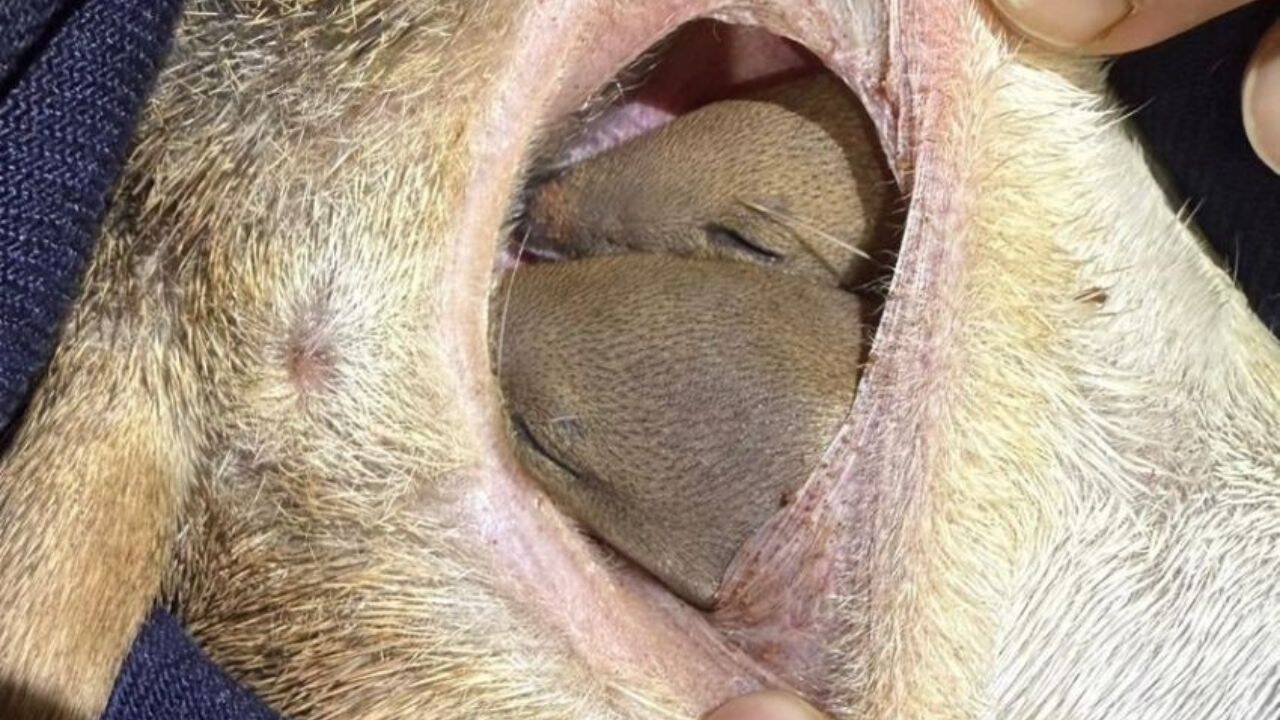
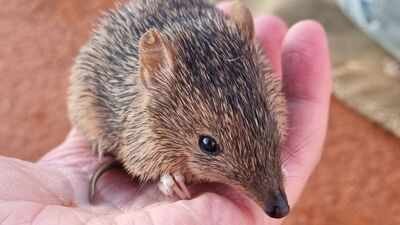
All the females caught during the most recent survey had pouch young or showed signs of recent breeding. Image Credit: Sam Mulvena/AWC
The species has several traits that support fast recovery
Golden Bandicoots are naturally well suited to rebuilding their numbers when conditions are favourable. The Australian Wildlife Conservancy says the species has one of the highest reproductive rates among marsupials and one of the shortest gestation periods of any mammal, at roughly 12 days.Females can give birth to two or three young at a time, according to the Australian Wildlife Conservancy. Breeding is also thought to increase after substantial rainfall.The animals are small, weighing up to about 670 grams, with golden-brown fur and compact bodies. They forage mainly at night, moving through grasses while searching for insects, roots, tubers and other food. Their forefeet are adapted for digging, while fused toes on their hind feet form a comb used for grooming.
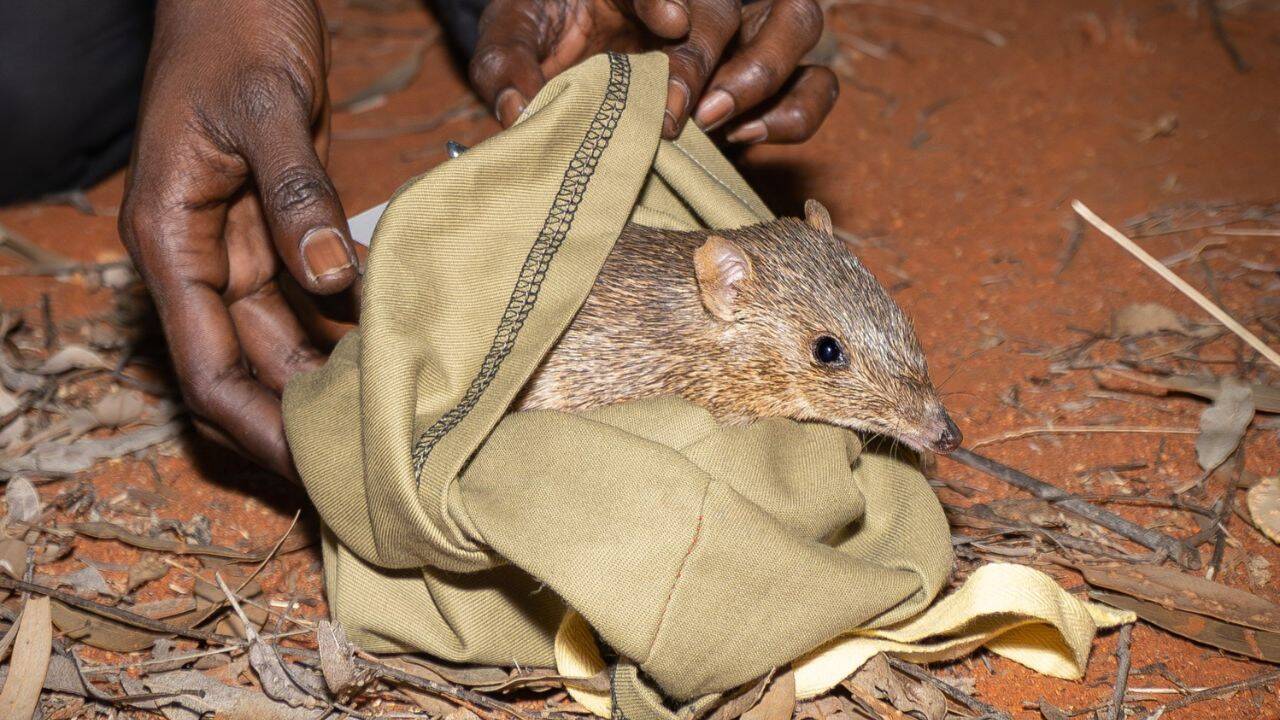
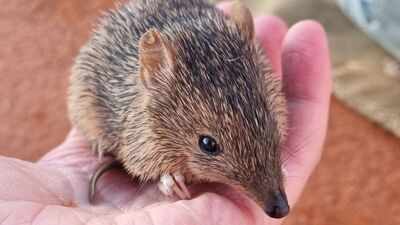
Golden Bandicoot is known to have one of the highest reproductive rates among marsupials and one of the shortest gestation periods of any mammal. Image Credit: Brad Leue/AWC
What does the latest monitoring show about their spread
The bandicoots are not only increasing in number but also appearing across more of the sanctuary. Motion-sensor camera records cited by the Australian Wildlife Conservancy show the proportion of cameras detecting Golden Bandicoots rose from about 8% in September 2023, one month after the reintroduction, to more than 60% in September 2025.The organisation estimates that the population could eventually reach thousands of animals if the favourable conditions continue.
Predator-free refuges have already supported other recoveries
The Newhaven result is part of a wider conservation approach that uses protected areas to give threatened mammals space to rebuild. The Australian Government points to the reintroduction of animals from Barrow Island to a large predator-free enclosure at Matuwa in Western Australia from 2010. Breeding inside that enclosure has been successful, with releases beyond the fenced area subsequently beginning.At Newhaven, the same basic principle has provided the Golden Bandicoot with a protected environment in Central Australia. The Australian Wildlife Conservancy also protects Golden Bandicoots at Charnley River-Artesian Range Wildlife Sanctuary in Western Australia through measures including fire management, control of feral herbivores and research into reducing feral cat activity.For a species that has lost around 95% of its former range, the Newhaven population represents a new foothold in Central Australia.