








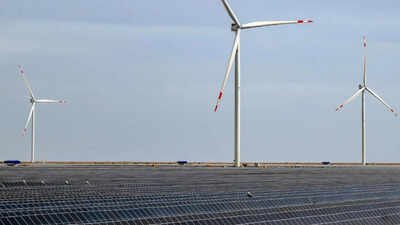
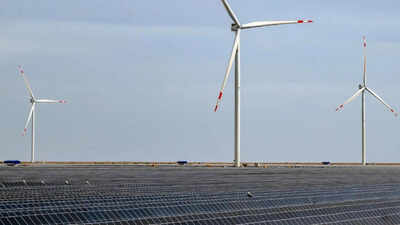
NEW DELHI: New Delhi: India needs to align power generation plans with the time required to build transmission infrastructure to meet future electricity demand reliably and affordably, energy sector experts said at RE: DIALOGUES 2026 in the capital.They flagged right-of-way constraints, the availability of transformers and the distance between renewable energy generation centres and consumption hubs as key challenges for power sector planning.The mismatch between renewable energy generation and transmission readiness has emerged as a major concern. According to ICRA data for May 2026, about 18.1 GW, or 33% of the 54.8 GW of recently commissioned renewable energy capacity, was relying on temporary grid access because permanent transmission infrastructure was incomplete. Delays in transmission lines and substations can leave completed solar and wind projects unable to evacuate their full generation capacity.The constraints are also leading to power curtailment. According to govt, 8,133 gigawatt hour of solar power was curtailed or restricted during April-June 2026 due to transmission constraints and to maintain grid security. The mismatch highlights the need to synchronise the commissioning of generation projects with transmission lines and substations to ensure electricity reaches consumption centres.The discussion, organised by Policy Perspectives Foundation and Orange Circle Energy, also highlighted the need to strengthen electricity distribution infrastructure, ensure regulatory stability and direct investments towards supporting infrastructure to meet rising demand.Bhupinder Bhalla, former secretary in the ministry of new and renewable energy, said India’s energy transition must be aligned with its wider development priorities, including domestic manufacturing, technology development, investment and job creation. He called for coordinated planning between the Centre and states to address infrastructure and regulatory challenges.Nikesh Sinha, founder of Orange Circle Energy, said India needs to look beyond its ability to generate electricity and assess how much power it will need, where demand will emerge and how reliably it can be delivered.
Share your thoughts in the comments
Be respectful · TOI community guidelines
“Transmission infrastructure takes time to build, and generation and consumption centres are not always in the same locations. Anticipating these requirements and aligning transmission planning with generation, while also considering decentralised solutions, will be critical to meeting India’s future electricity needs,” Sinha said.The experts also discussed the need to channel existing public resources towards priorities such as renewable energy and disaster resilience. Safi Ahsan Rizvi, former adviser to the National Disaster Management Authority and associated with the Policy Perspectives Foundation, said better allocation of existing resources could help unlock investment.