










Taiwanese billionaire Chang Yung-fa, the founder of the Evergreen shipping and aviation empire, left behind a fortune estimated at more than $3 billion when he died in 2016. Nearly a decade later, his estate remains at the centre of a legal dispute involving his family and a charitable foundation he established. The Chang Yung-fa Foundation is now seeking money from the estate, arguing that the late businessman had promised to leave his wealth to charitable causes. Its claim has reopened a long-running inheritance battle despite a court ruling that upheld his will.
Why is Chang Yung-fa’s $3 billion estate back in dispute
According to Crain Currency, the Chang Yung-fa Foundation announced that it would seek a share of the late billionaire’s estate after learning that some assets had been transferred into a joint account held by the executors of his will.The foundation believes Chang had intended his remaining wealth to support charitable work rather than pass entirely to individual family members. It has therefore taken legal action against the people responsible for administering his estate, arguing that his earlier promises to donate his money should be honoured.The renewed dispute is significant because the courts had already addressed a major part of the family’s inheritance battle. The latest case concerns whether Chang’s statements about donating his wealth created a separate legal obligation that must be fulfilled, even though his will named a sole beneficiary.
How did the original inheritance battle begin
Chang, who died in January 2016, built Evergreen into a major shipping and aviation business. His business interests and substantial personal wealth eventually became the subject of a bitter dispute among his children after the terms of his will became known.According to TaiwanNews, Chang signed a sealed will in 2014 that designated his youngest son from his second marriage, Chang Kuo-wei, as the sole inheritor of his personal assets. The will covered savings, shares and real estate valued at approximately NT$14 billion, equivalent to around $433 million at the time of the report.The document also indicated that Chang Kuo-wei would succeed his father as chairman. However, the decision angered other members of the family, particularly Chang Kuo-cheng, the third son from Chang’s first marriage, who challenged the will in court.The disagreement extended beyond the distribution of personal wealth and affected relationships within the wider business family. Tensions also surrounded the leadership of Evergreen’s aviation interests, with disagreements among the brothers contributing to changes in the group’s corporate leadership.
The courts upheld the will after years of litigation
The legal challenge against Chang’s will continued for several years. According to Taiwan News, Chang Kuo-cheng argued that his father had not been in an appropriate condition to make the will and questioned whether the document had been properly signed and witnessed.The initial court decision favoured Chang Kuo-wei. Subsequent appeals also failed to overturn the ruling, and Taiwan’s Supreme Court dismissed the challenge on 14 August 2024.That decision confirmed the legal validity of the will and brought the principal dispute over its authenticity to an end. However, it did not necessarily resolve every issue surrounding the administration and distribution of the estate.The distinction is central to the foundation’s latest action. Its claim is based not simply on who was named in the will but on whether Chang had separately committed himself to donating money to the foundation after his death.
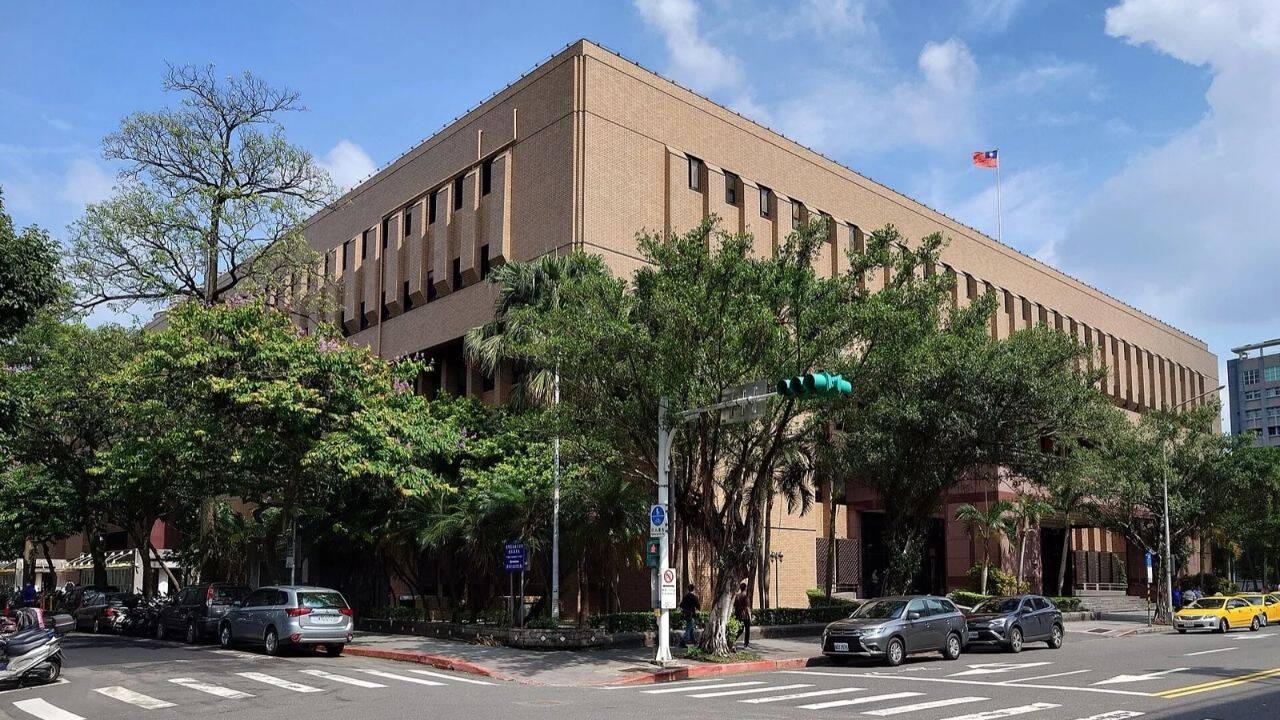
The Taiwan Taipei District Court building in Taipei. Image Credit: Wikimedia Commons
What evidence does the foundation cite for Chang’s charitable intentions
The foundation maintains that Chang repeatedly expressed his intention to leave his remaining wealth to charitable causes. According to Caproasia’s report of May 2026, the organisation believes his statements reflected a genuine commitment to supporting people in need.One important piece of evidence is Chang’s 2012 oral autobiography, titled Iron Will and a Gentle Heart: 33 Attitudes to Life. The foundation has pointed to passages in the book in which he discussed donating his remaining money to the organisation.The foundation has also referred to his public statements and recorded remarks. In its view, these were not merely general expressions of support for charity but evidence of a promise concerning what should happen to his wealth after his death.The legal question is whether those statements established an enforceable agreement to make a gift upon death. Such an arrangement would need to be distinguished from the instructions contained in the formal will, which had already been upheld by the courts.The foundation argues that Chang’s charitable intentions should be respected. The opposing side disputes whether his statements created a legally binding obligation.
The latest lawsuit puts the estate’s administration under scrutiny
The foundation initially brought its case against the four executors responsible for administering Chang’s will. It is seeking NT$1 billion, or approximately $30 million, rather than simply asking the court to reconsider the entire inheritance arrangement.According to Crain Currency, the foundation’s decision to pursue the claim followed its discovery that part of Chang’s estate had entered the executors’ joint account. The movement of those assets prompted the organisation to seek legal recognition of what it considers Chang’s outstanding charitable commitment.The case also raises questions about the responsibilities of the executors. They must administer the estate in accordance with the legally recognised will while responding to the foundation’s separate claim.The executors’ position differs from that of the foundation. They maintain that the will is valid and that the foundation has not established a legally binding agreement requiring the estate to make the requested payment.The proceedings have continued despite the 2024 ruling on the will. The foundation’s claim has introduced a separate legal question that must be considered alongside the established inheritance arrangements.