







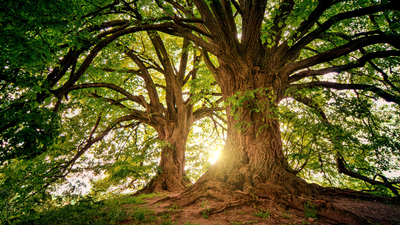
Scientists studying burned tropical peat swamp forests in Sumatra, Indonesia, found strangler figs exhibiting an unusual behaviour. They found that 97 percent of the strangler figs they counted grew directly from the ground rather than from the branches of host trees. The finding, published in February 2026 in the journal Ecology and Evolution, is notable because these trees usually begin life high on other trees. Across two fire-damaged sites, the team recorded 138 strangler figs from 10 species. According to the study ‘Terrestrial Establishment of Strangler Figs in Burned Tropical Peat Swamp Forests, Sumatra, Indonesia,’ these trees may help tropical forests recover naturally by supporting fruit-eating animals, offering restoration planners an ally in landscapes where planting efforts have largely failed.
How 97 percent of 138 strangler figs germinated directly on burned land in Indonesia
The finding comes from a peer-reviewed paper published in 2026 in Ecology and Evolution, led by Sidiq Purwanto and colleagues, with Douglas Sheil listed as corresponding author. The team worked on the Kampar Peninsula in Sumatra, in two drained and burned peatland sites named Makmur and Sangar. According to the dataset published alongside the paper, they surveyed 34 transects, each measuring 100 by 10 metres, in 2025, recording every tree at least 50 centimetres tall. Across 3.4 hectares, 97 percent of the 138 strangler figs had germinated directly on the ground. Only a small fraction had started on host trees.
Why growing from the ground for strangler figs is unusual
Strangler figs typically begin life as epiphytes, which means they sprout on a host tree and send roots down to the soil. The paper notes that germination on the ground is known but less widely recognised. These results suggest that, in the burned and open peatlands studied, the trees can skip the host stage entirely. An earlier preprint version of the study, posted on Authorea, said the findings challenge the assumption that strangler figs must start on other trees. It added that the species show unexpected flexibility in degraded peatlands, where active planting efforts have largely failed to bring back forest cover.
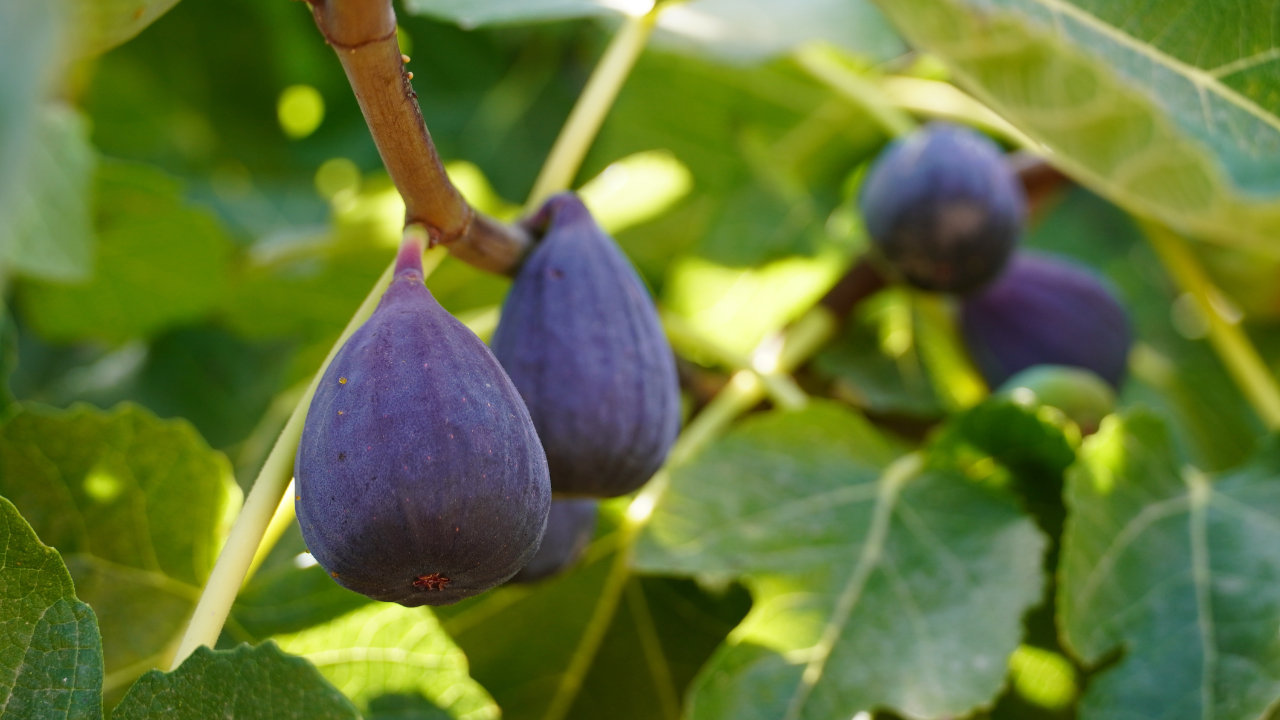
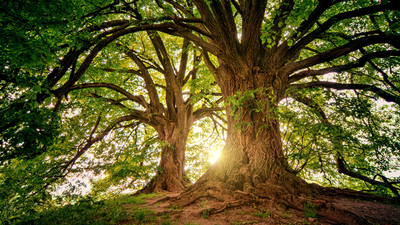
Ficus sundaica, accounted for 22 per cent of all trees and 67 per cent of all figs (Image: Canva)
How Ficus sundaica dominated the burned sites
According to the paper, one species, Ficus sundaica, accounted for 22 per cent of all trees and 67 per cent of all figs. That single species therefore supplied most of the figs found. Strangler figs, as a group, covering 10 species, made up 32.3 per cent of the trees counted and were especially abundant in open areas. The counts record naturally regenerating figs, meaning trees that grew back on their own rather than were planted, at two burned peatland sites on the Kampar Peninsula. That makes the numbers useful evidence of how common these trees are in damaged peatlands, though they come from only two sites.
Why strangler figs may help tropical peat forests recover naturally
The authors describe strangler figs as keystone species, meaning other species depend heavily on them, because they support communities of fruit-eating animals. Given how common the figs were and how flexibly they establish, the paper says they may help wider recovery in fire-damaged peat swamp forests. The authors present this as a possibility, and the study does not show that the forests will recover. They also caution that figs establish on the ground “when other tree species are few,” so the pattern may not hold in every forest. The researchers observed it in burned and open peatlands, so results from other forest types could differ.