






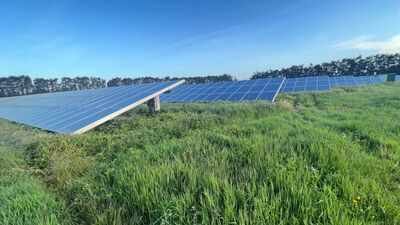
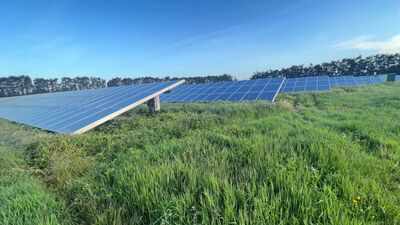
Solar farms can provide renewable electricity while also supporting wildlife when managed carefully. A study of six solar farms in the East Anglian Fens found that bird abundance and species richness varied with site management. Researchers surveyed 23.2 km of transects across the solar farms and 15.2 km across arable farmland, recording birds seen or heard within 100 m. Mixed-habitat solar farms, where grass was cut or grazed less often, and wildflowers, hedgerows, or trees were present, supported more birds and species than simple-habitat solar farms and arable land. According to the research published by the University of Cambridge and The Royal Society for the Protection of Birds (RSPB) in Bird Study, titled ‘Solar farm management influences breeding bird responses in an arable-dominated landscape’, bird populations varied depending on how the solar farms were managed.
How did researchers survey birds across solar farms and nearby arable land
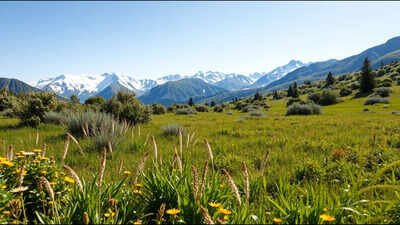
Researchers surveyed six solar farms in the East Anglian Fens and compared them with nearby arable land. The survey covered 23.2 km of solar farm transects and 15.2 km of arable farmland. Solar farms were divided into two types. Simple habitat solar farms were intensively managed, with grass around panels cut or grazed so the grass cover stayed short during summer. Mixed habitat solar farms had less frequent cutting or grazing, allowing taller grass and wildflowers, while hedgerows or trees occurred along boundary fences. Researchers surveyed arable land located 0.95 to 1.6 km from each solar site.
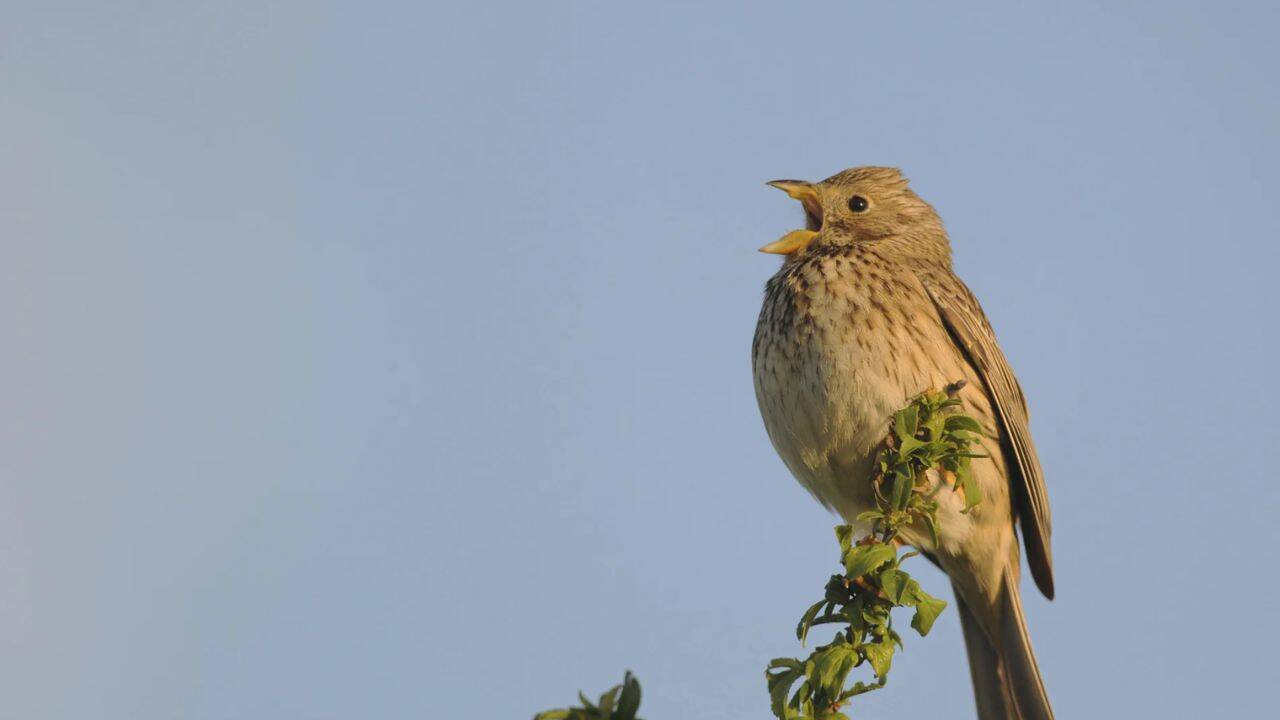
PC: Ben Andrew/University of Cambridge
Mixed-habitat solar farms supported more birds and species
Across all sites, researchers recorded 830 individual birds from 44 species. Wood Pigeon was the most common species, with 152 individuals recorded across arable land and solar farms. Mean abundance was highest in mixed-habitat solar farms for 34 of the 44 species. As per the study results, predicted abundance was 35.1 birds per 4 hectares in mixed-habitat solar farms, compared with 17 birds per 4 hectares in simple-habitat solar farms and 11.9 birds per 4 hectares on arable land.Species richness followed a similar pattern. Mixed-habitat solar farms had 13.5 species per 4 hectares, compared with 5.3 in simple-habitat solar farms and 5.5 on arable land. The overall difference in bird abundance across the three categories was statistically significant.
How habitat structure influenced bird communities
The study found that differences in management were linked to differences in bird abundance and species richness. Mixed-habitat solar farms appeared to provide greater structural diversity than nearby arable land, with taller grass, wildflowers and woody boundary features creating a more varied habitat.By contrast, simple-habitat solar farms had only marginally greater structural diversity than arable fields and showed similar levels of bird abundance and species richness.Researchers also recorded more woodland generalist species in mixed-habitat solar farms than in arable land and simple-habitat solar farms, which they associated with hedgerows and boundary trees.
Why management matters for solar farm biodiversity
The researchers indicate that solar farms in nature-depleted, arable-dominated landscapes can increase bird abundance and diversity when they are managed with biodiversity in mind, especially through mixed habitat management.They note that careful planning is still needed when deciding where solar farms should be located because field-scale solar is generally incompatible with continued crop production.Within suitable locations, mixed habitat management can create additional habitat compared with intensively managed farmland. The study also places these findings in the context of continued solar expansion in Britain and growing public concern about effects on biodiversity. Its results indicate that management choices, including less frequent cutting or grazing and maintaining diverse habitats, can influence how solar farms function for birds in agricultural landscapes.