









California’s Wildlife Conservation Board has approved $43.868 million in grants for 15 projects across 11 counties. The projects will support Tribal land acquisition, salmon habitat restoration, public access and protection of wildlife corridors.According to California Department of Fish and Wildlife, the funding includes $32 million in climate bond money spread across nine projects. Among the projects is an $11.5 million grant to acquire about 14,177 acres near Callahan in Siskiyou County. Another $7.5 million grant will help buy about 1,093 acres near Yucca Grove in San Bernardino County, while a $700,000 grant will support the purchase of an 80-acre property in Lake County.The projects cover different types of landscapes and conservation work. They include mountain forests, salmon streams, meadows, desert habitat and land connected to Indigenous communities. The Wildlife Conservation Board said the grants support efforts to protect biodiversity and help ecosystems and communities adapt to climate change.
14,177 acres to expand forest preserve
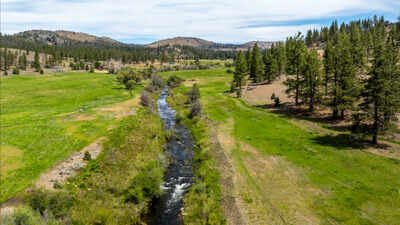
The largest land acquisition listed in the announcement will expand the Beaver Valley Headwaters Preserve in Siskiyou County. An $11.5 million grant to The Wildlands Conservancy will fund the purchase of approximately 14,177 acres near Callahan.The purchase will connect more than 20,000 acres of mountain meadows, rivers and forest habitat. The area is important for Scott River salmon and steelhead runs. The project is also intended to help secure streamflow and provide future wildlife-oriented public access.The property provides habitat for coho and Chinook salmon, steelhead, elk, deer, black bear, mountain lion and native bird species.“The Wildlife Conservation Board has been an essential conservation partner in the Scott River region for decades,” said Frazier Haney, executive director of The Wildlands Conservancy.“With its investment today, we can expand the Beaver Valley Headwaters Preserve to over 20,000 acres, facilitating the restoration and rewilding of headwaters that are critically important to coho salmon… We are grateful to WCB for its continued investment in this landscape and the conservation vision we share.”Another project in Siskiyou County focuses directly on streams and fish habitat. A $2.4 million grant to California Trout will support work with the California Department of Fish and Wildlife to restore about eight acres of stream and floodplain habitat near Grenada.The project covers areas along Big Springs Creek and Hole in the Ground Creek, which are tributaries of the Shasta River. Work will include adding gravel, planting native vegetation, building beaver dam analogues and installing log and boulder structures to slow water flow.
Meadow restoration and fish habitat
The stream project forms part of a larger 26-mile habitat enhancement effort on the California Department of Fish and Wildlife’s Big Springs Ranch Wildlife Area. The wider effort aims to improve conditions for coho and Chinook salmon, steelhead, Pacific lamprey and migratory waterfowl.“The Big Springs Ranch project represents exactly the kind of on-the-ground impact CalTrout has been working toward in the Shasta River watershed,” said Damon Goodman, Mount Shasta-Klamath regional director for California Trout.
Mojave desert tortoise
The funding also includes $4 million for a meadow restoration project at Johnson Meadow in South Lake Tahoe. The Tahoe Resource Conservation District will carry out the work with the Tahoe Regional Planning Agency.The project will restore 79 acres of mountain meadow along the Upper Truckee River, which is Lake Tahoe’s largest tributary. Planned work includes restoring historical stream channels, repairing riverbanks, removing old utility structures and installing a grade-control structure to reduce erosion near Highway 50.The project will also maintain fish passage for native species, including Lahontan cutthroat trout.“Without the support from the Wildlife Conservation Board, the Johnson Meadow Restoration project would not be possible,” said Andrew Schurr, restoration programme manager for the Tahoe Resource Conservation District.
80-acre property to support Tribal restoration
One of the grants focuses on Tribal stewardship and cultural land return. A $700,000 grant to the Tribal EcoRestoration Alliance will fund the purchase of the approximately 80-acre Politsuwi property in Lake County, about five miles north of Lakeport.The property is on the ancestral lands of the Robinson Rancheria, Scotts Valley Band of Pomo Indians and Habematolel Pomo of Upper Lake. It will expand the adjacent EcoCultural Stewardship Training and Demonstration Center.The site is planned as an outdoor learning space for Indigenous-led ecological restoration. The project will protect oak woodlands, wetlands and habitat used by osprey, black-tailed deer and native pollinators.It will also expand job training and cultural programmes for local Tribal communities. “Acquiring the Politsuwi property allows us to grow our hands-on training programmes and deepen Indigenous-led stewardship in Lake County,” said Lindsay Dailey, executive director of the Tribal EcoRestoration Alliance.“This land will give Tribal members and local participants a place to practise cultural restoration, blend traditional knowledge with modern science and care for native habitats for generations to come.”
1,093 desert acres to protect tortoise habitat
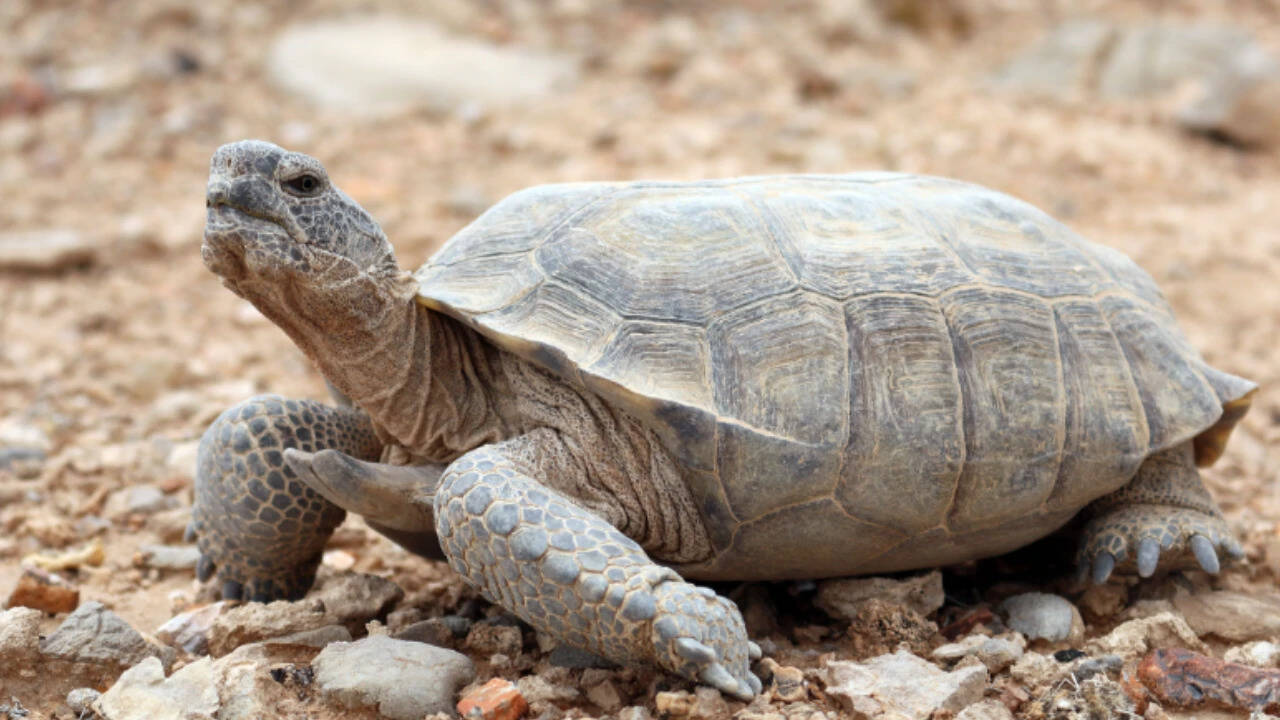
In the Eastern Mojave, a $7.5 million grant to the Mojave Desert Land Trust will help purchase approximately 1,093 acres near Yucca Grove in San Bernardino County.The private land is surrounded by the Mojave National Preserve. Permanently conserving it will protect habitat for the Mojave desert tortoise, creosote scrub, Joshua tree woodlands and desert washes.The land will be managed to protect sensitive species, preserve natural corridors and prevent development.“This property, located in the greater Mojave National Preserve, represents some of the most ecologically important Mojave desert tortoise habitat remaining in California,” said Kristina Drake, director of conservation ecology for the Mojave Desert Land Trust.“This grant allows us to permanently protect a stronghold for this state-endangered species… Thanks to the Wildlife Conservation Board, we can invest in securing intact habitats that allow all age classes of tortoises to thrive.”