





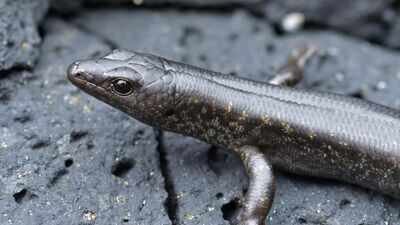
A conservation effort in New Zealand took a surprising turn when 30 egg-laying skinks were moved from Green Island to Korapuki Island in 1992. The group consisted of 10 males and 20 gravid females (already carrying eggs). Years later, researchers compared the skinks on both islands and discovered a new genetic pattern. The Korapuki population showed clear signs of a genetic bottleneck, but its effective population size was larger than expected from the 30 animals moved. The finding suggested that the pregnant females had added more genetic founders to the new population than their numbers suggested.
What did the 30 skinks reveal about genetic diversity on Korapuki Island
The study, published in Conservation Genetics, focused on the egg-laying skink Oligosoma suteri. The researchers compared skinks from Korapuki Island with those from Green Island, the source of the animals moved in 1992. Their aim was to understand what happened genetically after such a small group was used to start a new population.Starting a population with only a few animals can create a genetic bottleneck. In simple terms, a bottleneck happens when a new population begins with only a small sample of the genetic variety found in the original population. Some genetic variants may be missing simply because the founding group was small.The researchers found several genetic signs of such a bottleneck in the Korapuki population. These signs were not detected in the Green Island population. This showed that the new population had experienced a loss of genetic variation after its establishment. Yet the results did not tell a completely negative story.
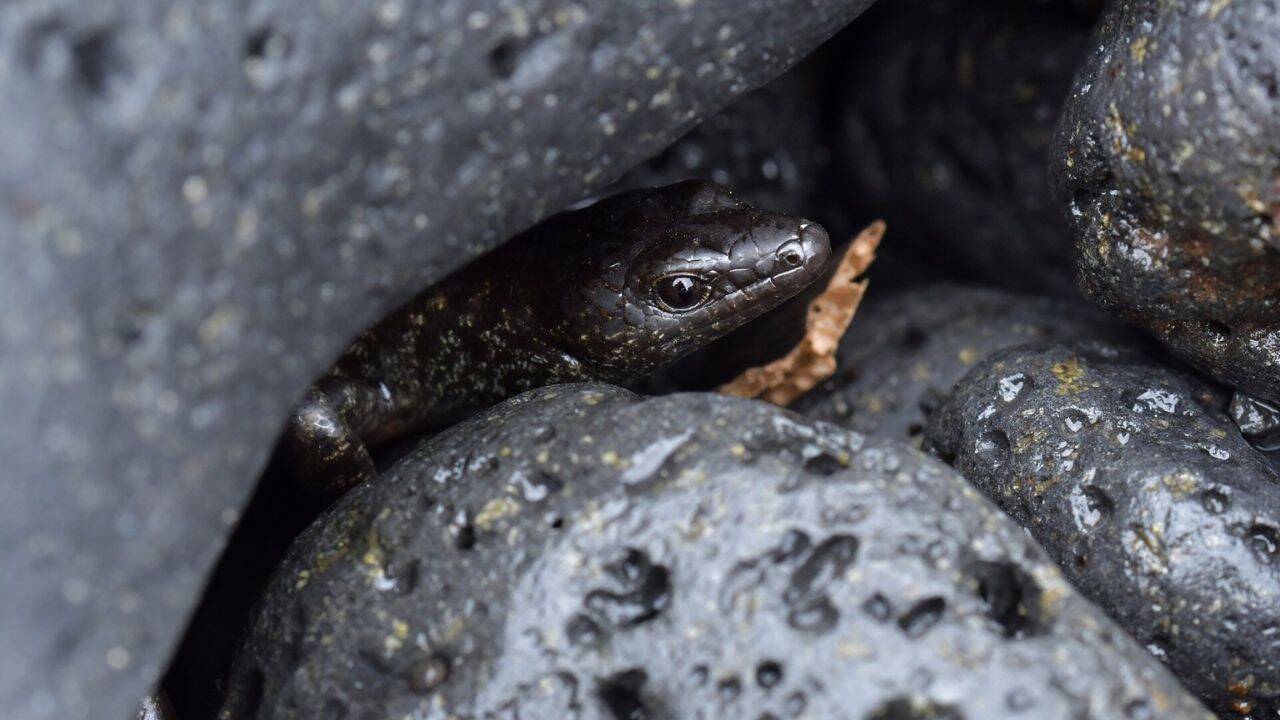
O. suteri is typically found in ledges of rocky shorelines. Image Credit: Wikipedia
Pregnant skinks change the size of the founding population
One of the most interesting findings came from comparing the number of animals originally moved with the population’s effective size. Effective population size is a way of estimating how many animals are actually contributing genetically to the next generations, instead of simply counting every animal present.According to the study, the Korapuki population had a significantly larger effective population size than scientists would have expected, if the population had been founded only by the 30 skinks physically moved. They reached this conclusion after comparing the real population with 10,000 simulated populations based on a founding group of 30 animals.The explanation lies partly in the 20 gravid females included in the transfer. Because those females were already carrying eggs, their offspring could become part of the new population without having to be transported separately.This meant that the genetic contribution to the new population was potentially greater than the headcount of 30. The study found evidence that reintroducing gravid females can increase the effective number of founders.For conservation projects, this distinction matters. A group may contain only a limited number of adult animals, but if several females are already carrying offspring, the next generation can add substantially to the genetic foundation of the population.
What happened to the young skinks over time
The researchers also looked at genetic differences between individuals at different stages of life. Juvenile skinks on Korapuki Island were more homozygous than adult skinks from both Korapuki and Green islands.This meant that the young Korapuki skinks were more likely to carry matching versions of genes at the locations examined by the researchers. Such a pattern can be associated with reduced genetic variety within individuals and can raise concerns about inbreeding in a small population.However, the study did not find evidence that this genetic pattern had caused poorer performance in the skinks.While investigating whether genetic differences were linked with physical performance, the researchers found no evidence of inbreeding depression. In simple words, the study did not detect a clear decline in the measured performance of Korapuki skinks that could be attributed to the reduced genetic variation.That result added an important layer to the findings. The population had measurable genetic changes, but those changes did not automatically translate into poorer performance in the traits examined.
Importance of genetic effects in the long term
The researchers cautioned that the absence of an immediate performance problem did not mean the loss of genetic variation was harmless. Some consequences may take much longer to appear.The study pointed specifically to the possible loss of adaptive potential. This refers to a population’s ability to respond genetically to future changes, such as shifts in its environment or new challenges. The researchers noted that this potential could not be assessed in the short term.That is why conservation success cannot be judged only by whether a population survives or grows after a reintroduction. A population can become established while still undergoing genetic changes that may influence its future.
What did the skink study show about reintroduction
The findings suggest that the choice of founders can affect the genetic outcome of a reintroduction. Using gravid females helped increase the effective number of founders and could be a useful approach for maximising genetic diversity in reintroduced populations, particularly in long-lived species.At the same time, the scientists stressed that genetic variation continued to be lost in the reintroduced population. The result showed that 30 transported skinks could represent a much larger genetic starting point when many of the females were already carrying the next generation.