








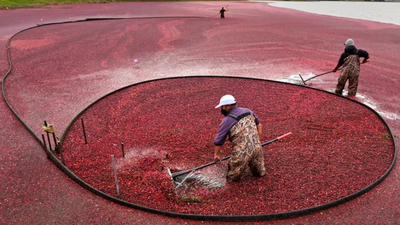
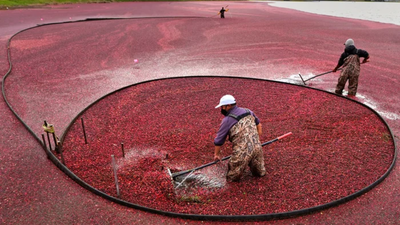
The removal of three old dams along Massachusetts’ Coonamessett River has turned former industrial farmland into a thriving coastal ecosystem, restoring fish passage and creating 56 acres of natural wetlands. According to feature reports from NOAA Fisheries, the town of Falmouth on Cape Cod worked with state and federal agencies to remove the historic barriers, which had changed the river’s flow for more than 300 years. Heavy machinery began removing Middle Dam in 2018, followed by Lower Dam and Upper Dam. The work reopened the river to migratory fish, allowing them to reach upstream spawning areas for the first time in generations. The multi-stage restoration project focused on land that had once been used for commercial cranberry farming. Years of farming had changed the landscape by straightening the river, flattening the floodplain and covering natural peat soils with layers of sand. These changes damaged native plants and made it difficult for sea-run fish to move through the river.
Removing barriers to fish passage
The main goal of the Coonamessett River Restoration Project was to reopen the river to river herring. These fish spend most of their lives in the ocean before returning to freshwater rivers to spawn. NOAA Fisheries, which provided funding and technical support through its Restoration Center, reported that the dams created steep drops and large pools that changed water temperatures and flow speeds. These barriers made it difficult for alewife and blueback herring to reach Coonamessett Pond, an important spawning area farther upstream. To bring the river closer to its natural condition, engineers removed the dams and rebuilt a winding 5,200-foot stream channel. They also replaced a narrow culvert beneath John Parker Road with a wider bridge. Restoration teams placed fallen trees and large root sections along the riverbanks. These features create different water speeds, give fish places to hide from predators and form deeper pools where migrating fish can rest.
Rebuilding wetland ecosystems
Along with removing the barriers in the river, workers moved thousands of tonnes of sand that had been spread across the valley during decades of cranberry farming. Construction crews removed the sand layers to uncover natural peat and preserved plant seeds underneath. According to ecological monitoring data from the Town of Falmouth and NOAA Fisheries, more than 200 native plant species appeared or were replanted across the 56 acres of restored wetlands within two years after construction was completed in 2020. Native plants such as soft rush, tussock sedge, woolgrass and swamp milkweed quickly replaced invasive species including reed canary grass. The restored floodplain vegetation now helps filter water by absorbing excess nutrients before they reach nearby coastal estuaries. It also helps reduce local flooding during storms. Biologists from the Massachusetts Division of Ecological Restoration also reported that wildlife returned quickly. Eastern brook trout, a cold-water fish that is sensitive to warmer water, began using the cooler, shaded sections of the redesigned stream soon after water levels stabilized.
Partnership model and broader impact
The $10 million (£7.6 million) restoration project brought together local officials, state agencies, federal environmental departments and nonprofit groups. Major partners included the NOAA Restoration Center, the Massachusetts Division of Ecological Restoration, the U.S. Fish and Wildlife Service and the Coonamessett River Trust. Local officials also purchased the former cranberry fields using open-space funds. This helped protect the land from future commercial development. According to impact assessments from NOAA Fisheries, the Coonamessett River project provides a useful example of how former agricultural cranberry bogs across New England could be turned into healthy, self-sustaining wetlands. Community volunteers also played a role, contributing hundreds of hours to planting native species, counting fish and maintaining public walking trails along the restored river valley. Electronic fish counters installed near the river’s mouth show that herring runs have increased significantly since the final dams were removed. Tens of thousands of migratory fish are now able to reach upstream habitats each spring.