







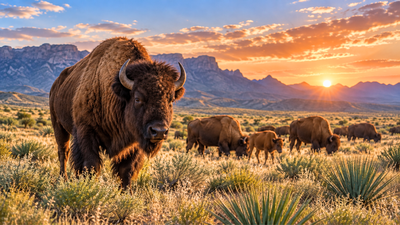
Mexico has brought American bison back to parts of the Chihuahuan Desert after the animals disappeared from much of their historical range in northern Mexico during the 19th century. In 2009, 23 bison from Wind Cave National Park in South Dakota were moved to Rancho El Uno in Chihuahua as part of a binational conservation effort. The goal was not simply to increase bison numbers, but to restore the ecological role of a large grazer that had once shaped North American grasslands. Bison graze, trample vegetation, disperse seeds and create wallows that disturb the soil and produce small patches of different vegetation. Researchers studying the reintroduced herd found measurable differences in vegetation around wallows.
How Mexico brought bison back after more than a century
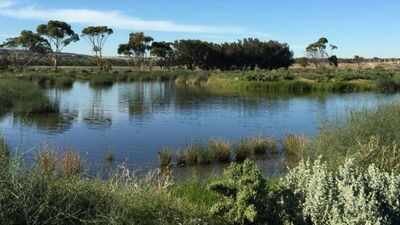
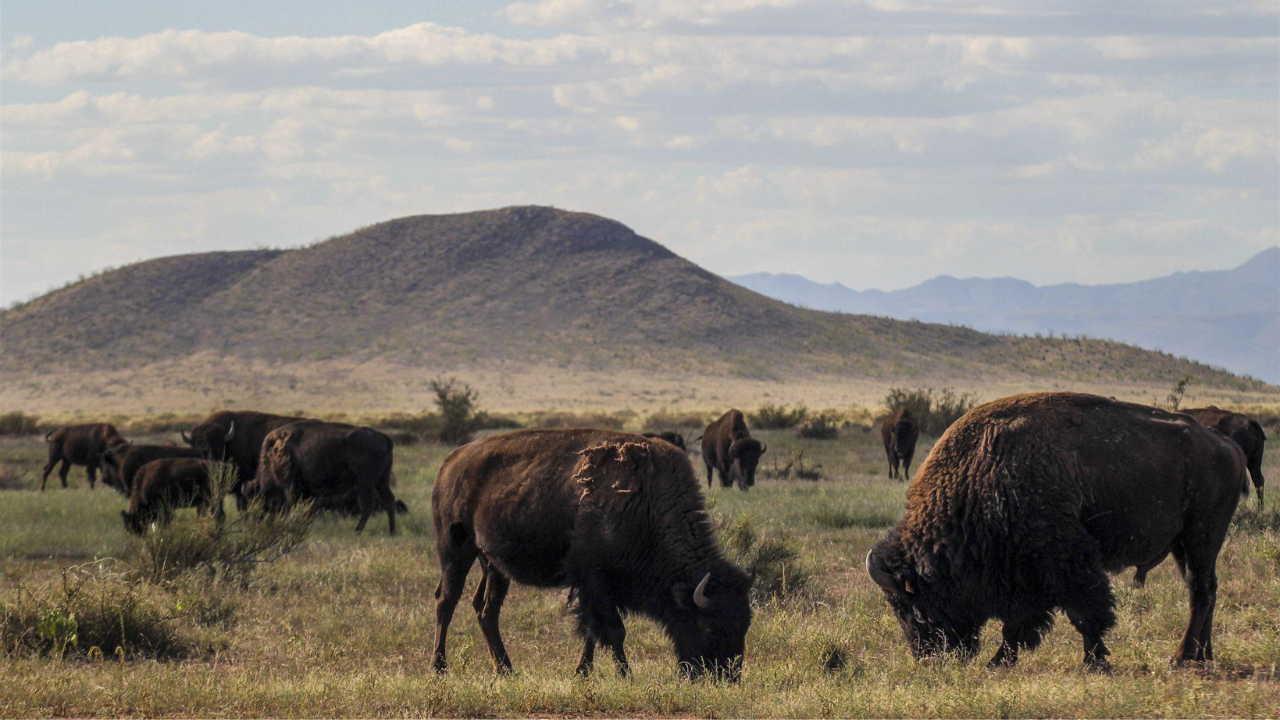
American bison once ranged across northern Mexico as well as much of the United States and Canada. Historical populations collapsed during the 19th century as large-scale hunting and other pressures drove the species close to extinction. In Mexico, bison were historically found in states including Chihuahua, Coahuila, Sonora, Nuevo León and Durango, but they had been nearly eliminated from the country by the second half of the 19th century. The modern recovery programme began in 2009, when 23 bison from the conservation herd at Wind Cave National Park were transferred to Rancho El Uno in the northern Janos Valley of Chihuahua. The animals were chosen partly because genetic research had found the Wind Cave herd to have high genetic diversity and no evidence of domestic-cattle gene introgression. They became the founding animals of Mexico’s first conservation herd and were intended to help restore bison to their historical range.The release took place within the Janos landscape, one of Mexico’s most important remaining grassland regions. Rancho El Uno is now an 18,546-hectare conservation property within the Janos Biosphere Reserve, and its management combines conservation with regenerative livestock practices. The reserve provides habitat and ecological connectivity for species including American bison, black-tailed prairie dogs, golden eagles and migratory birds.
What bison started changing in the desert grassland
Bison are considered an important ecological species in North American grasslands because their behaviour affects vegetation, soils and other animals. They do not simply consume grass. Their grazing creates differences in vegetation height and density, while their hooves disturb the ground, their dung and urine redistribute nutrients and their movement can transport seeds. One of their most distinctive behaviours is wallowing, when bison roll repeatedly on the ground and create shallow depressions.Researchers at Janos specifically examined these wallows after the 2009 reintroduction. They compared vegetation and soil inside wallows with areas outside them and found differences in plant composition and structure. Some plant species were found only within wallows while others occurred only outside them, suggesting that bison activity can create small patches with different ecological conditions. Such variation can increase habitat heterogeneity across a grassland and provide opportunities for different plants and organisms.However, the scientific study provides an important qualification to the restoration claim. Researchers found that the early differences in measured soil properties were mainly explained by existing geomorphological conditions rather than bison activity. They described their work as a baseline for understanding how the effects of wallowing might develop as the herd became larger and had more time to influence the landscape. So the evidence supports bison as ecological engineers, but not the claim that they completely restored the soil within months.
How their return can support biodiversity and native grasslands
The importance of bringing bison back lies in restoring an ecological process that disappeared along with the animals. A grassland dominated by large grazers behaves differently from one where those animals are absent. Grazing and trampling create a patchwork of vegetation, while wallows can produce disturbed areas where different plants establish. Dung and urine return nutrients to the ground, and animals moving across large areas can disperse seeds.That ecological role matters in the Chihuahuan Desert because native grasslands support a wide range of wildlife. Janos contains habitat for black-tailed prairie dogs, burrowing owls, golden eagles and numerous migratory birds. The original bison reintroduction was explicitly designed to establish the animals as a keystone species within an ecosystem that already contained other important grassland species.The recovery has also moved beyond the original herd. Nineteen bison were transferred from Rancho El Uno to the El Carmen Nature Reserve in Coahuila in 2019, creating Mexico’s second conservation herd. The expansion means the reintroduction is no longer confined to a single population in Chihuahua and is helping return bison to more parts of their historical Mexican range.
Why bison are part of a much bigger restoration effort
Bison are only one component of the restoration work at Rancho El Uno. The site is managed through a broader programme that includes regenerative cattle ranching, planned rotational grazing, habitat restoration and erosion prevention. The Mexican Fund for the Conservation of Nature says the objective is to conserve grasslands and their wildlife while using regenerative ranching practices to restore soil fertility and water, nutrient and energy cycles.This distinction is particularly important when discussing wildfire risk. Grazing animals can influence the amount and distribution of vegetation available as fuel, but the available evidence does not establish that the reintroduced bison alone reduced wildfire risk within months. Fire management and grassland restoration at Rancho El Uno form part of a wider land-management approach.The same integrated approach also recognises that healthy grasslands are more than areas covered by grass. Maintaining native vegetation, preventing erosion, supporting wildlife and keeping ecological processes functioning are all part of the restoration objective. Bison provide one of the missing natural processes within that system.
From 23 bison to a growing conservation population
The original herd has grown substantially since the 2009 release. A 2021 account from the Mexican Fund for the Conservation of Nature reported that the Rancho El Uno conservation herd had reached about 230 animals, compared with the original 23. The organisation also described the herd as genetically pure and said the animals were being used to support further conservation efforts.That growth has allowed conservationists to move animals to other landscapes. In addition to the 19 bison transferred to Coahuila in 2019, Mexico has continued expanding its national reintroduction programme. In 2025, 44 bison were moved from the Janos population to a new conservation site in Coahuila, according to recent reporting on the programme. The objective is to establish additional herds, strengthen the species’ genetic and geographic security and continue restoring bison to suitable areas of their historical range.The significance of the project therefore goes beyond bringing an iconic animal back to Mexico. The bison are once again grazing, moving, wallowing and redistributing nutrients across northern grasslands. Their return is helping restore an ecological role that disappeared more than a century ago, while the wider Rancho El Uno programme combines that natural grazing behaviour with active grassland management. The result is a long-term restoration experiment in which the recovery of one large mammal is being used to help rebuild the ecological processes of the Chihuahuan Desert.