







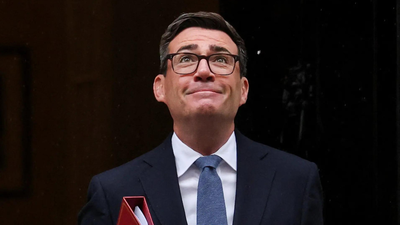
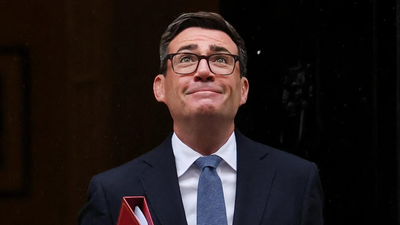
Is the UK heading for a breakup? A fresh challenge is emerging as leaders from Scotland, Wales and Northern Ireland prepare to join forces in a push for greater self-determination and the right to hold independence referendums.According to The Telegraph, the leaders of the three devolved nations are set to meet in Wales’ Cardiff for an unprecedented summit, where they are expected to sign a joint declaration asserting their right to hold independence referendums and determine their own constitutional futures.The gathering comes at a politically sensitive moment for Westminster.UK PM Andy Burnham recently told MPs that he would authorise another Scottish independence referendum if there were a “clear consensus” in favour of one.The issue has gained further momentum after US President Donald Trump weighed in on Irish reunification. During a visit to Dublin on Saturday, Trump said he would “love” to see a united Ireland, describing Northern Ireland joining the Republic as “a great thing” and asking: “How can it be bad?”The comments have added to pressure on the Burnham-led UK government as nationalist parties push for a greater say over their nations’ futures. PM Burnham has made the devolution of power in England a central part of his political agenda.John Swinney, the SNP leader and Scottish first minister, has seized on the changing political landscape, claiming Burnham was “facing up to the idea that he will go down in history as the final prime minister of the United Kingdom”.
Pro-independence parties gain ground
The balance of power across the devolved nations has shifted significantly following Labour’s poor performance in Wales at May’s elections. For the first time, pro-independence parties are now in government across Scotland, Wales and Northern Ireland.Plaid Cymru emerged as the largest party in the Cardiff Senedd, paving the way for its leader Rhun ap Iowerth to become Wales’ First Minister.In Scotland, the SNP remained the dominant political force despite losing six Holyrood seats, with Reform and the Greens making gains.Northern Ireland has also been under Sinn Fein leadership since Michelle O’Neill became First Minister in 2024. Sinn Fein had emerged as the largest party in the 2022 Stormont elections, although a DUP walkout delayed the formation of the executive. The party is widely expected to retain power when Northern Ireland votes again next year.The Cardiff summit will bring together the three first ministers along with Mary Lou McDonald, Sinn Fein’s president and leader of the opposition in Ireland.The leaders are expected to explore closer cooperation and discuss a renewed campaign for greater constitutional autonomy at the five-star St David’s Hotel overlooking Cardiff Bay.
‘Status quo is not sustainable’
Swinney said on Sunday: “For the first time ever, Scotland, Wales and Northern Ireland are led by pro-independence first ministers. There could be no clearer sign that the status quo is not sustainable, and that Westminster must prepare for a post-UK future.“The momentum behind serious constitutional change is undeniable. Andy Burnham must now be facing up to the idea that he will go down in history as the final prime minister of the United Kingdom.“Tomorrow in Cardiff, I am looking forward to discussing a better future with partners from across these islands, and that only comes with the fresh start of independence.”The joint declaration is expected to underline the three nations’ claim to self-determination while putting further political pressure on Westminster.Burnham’s recent remarks have already opened the door to renewed debate over Scottish independence. During Prime Minister’s Questions on Wednesday, he said another referendum could be held if public opinion backed one.He told the House of Commons that the trigger for a separation vote was “exactly the same situation in Scotland” as Northern Ireland.The Good Friday Agreement provides a potential constitutional route for Northern Ireland to hold a referendum on reunification with Ireland. Under its terms, such a vote should be held if it “appears likely” that a majority of people in Northern Ireland would choose to leave the UK.