







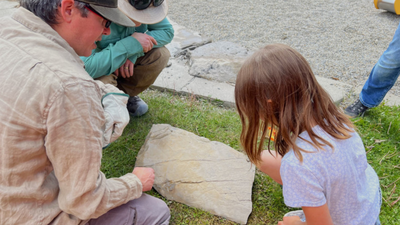
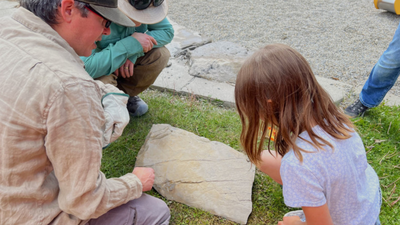
Seven-year-old Alyssa was looking for bugs and collecting rocks at a Calgary playground when she noticed something unusual in one of the boulders surrounding the park. A dark shape embedded in the stone caught her attention, prompting the young palaeontology enthusiast to take a closer look. What began as an ordinary search during a trip to the playground turned into a remarkable fossil discovery. Alyssa recognised that the shape could be something significant and encouraged her parents to contact experts at the Royal Tyrrell Museum. Specialists later confirmed that the find was a rare sea-star fossil estimated to be between 250 and 400 million years old and measuring around five centimetres. The fossil had been locked inside a boulder placed at the playground during construction in 2005. More than 20 years later, Alyssa’s curiosity revealed a small piece of Alberta’s prehistoric past that had been hiding in plain sight.
Why the 445-million-year-old sea-star fossil is so rare
The fossil was particularly significant because sea stars have extremely specific conditions required for fossilisation. Dr Don Henderson, Curator of Dinosaurs at the Royal Tyrrell Museum, said that these conditions make sea-star fossils of this age “very rare”, with specimens limited to only a handful of sites around the world.The fossil was embedded in a boulder that had been placed around the Calgary playground during construction in 2005. That means the fossil appears to have remained at the playground for more than 20 years. Henderson said he had tried to establish where the boulders originally came from, but the exact source of the stone had not yet been confirmed.
PC: City of Calgary
Alyssa’s fascination with the rare sea-star fossil
Alyssa’s fascination with the find went beyond simply spotting the fossil. When asked what she liked most about it, she said, “I love how preserved it is”. Her questions also showed how closely she had been thinking about the discovery and the process that created it.One question she asked the Tyrrell team was, “How do sea stars fossilise if they don’t have bones?” According to the City of Calgary, the question left many adults admitting that they had never considered the issue. The discovery also reflected Alyssa’s existing interest in palaeontology, which helped her recognise that the unusual shape in the rock was worth reporting.
Why Alberta fossils are legally protected
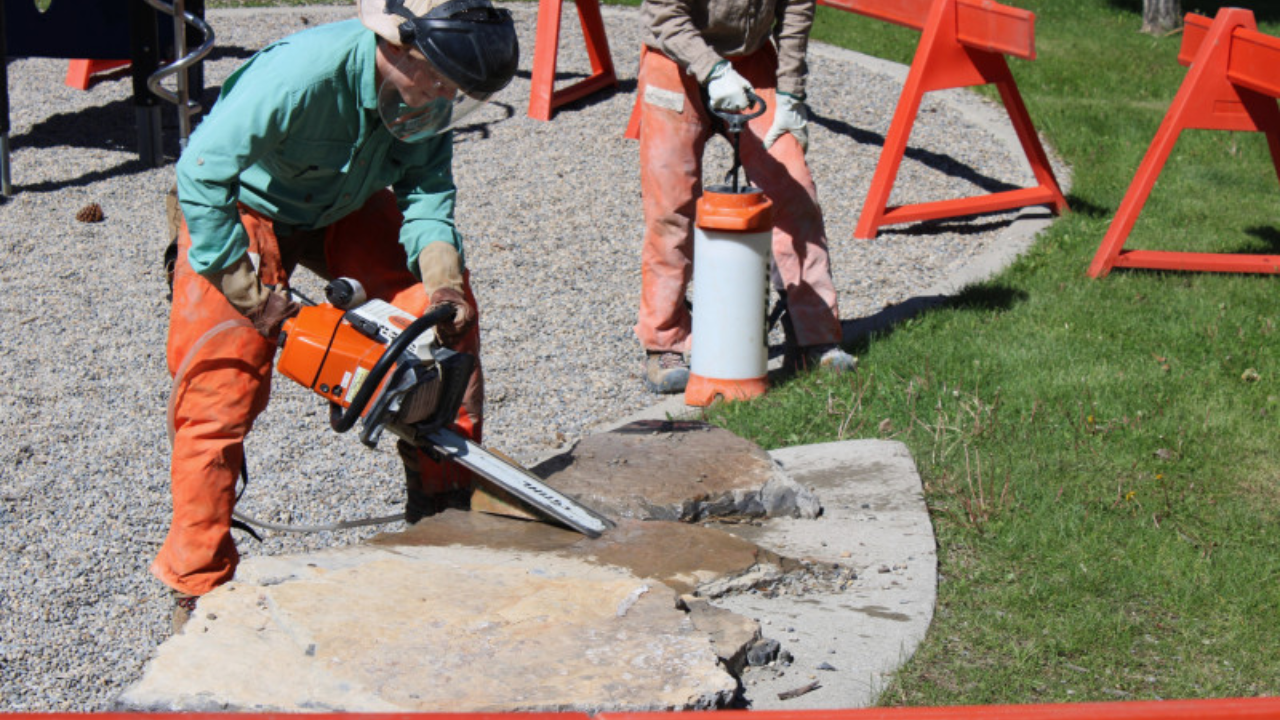
Because fossils in Alberta are protected under the Historical Resources Act, the discovery could not simply be taken home. Dr Henderson explained that the Royal Tyrrell Museum’s mandate is to “preserve the fossil heritage of the province”, meaning the specimen needed to be carefully kept in a controlled environment for research and conservation.The Tyrrell team used a diamond saw to cut diagonally into the boulder and remove the section containing the fossil while leaving the rest of the rock in place. The fossil was taken to the museum to be cleaned and catalogued, and it may eventually be put on display. City crews were also preparing to smooth the cut area and pour new concrete around the remaining boulder. After watching the removal from the highest point of the playground, Alyssa was later allowed to hold the piece containing the discovery she had made.