







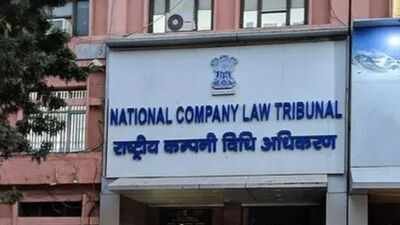
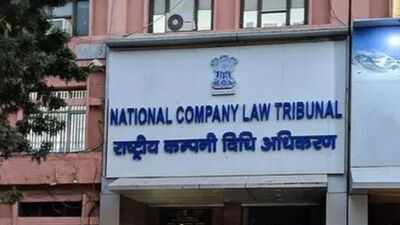
NEW DELHI: The National Company Law Tribunal (NCLT) on Tuesday restrained Essel Group chairman Subhash Chandra from alienating his assets and stayed an earlier order approving a repayment plan that would have allowed him to settle claims arising from personal guarantees for about Rs 6.5 crore.A five-member special bench headed by NCLT president Justice Anupinder Singh Grewal said there was no clear majority in favour of the plan and the August 25 order could not be implemented.“It is manifest that as per Section 419(5) of the Companies Act, there is no clear majority view capable of being given effect to. Therefore, the order dated August 25, 2026 of the third member, Nilesh Sharma, Member (Judicial) is stayed,” the bench said.The tribunal directed that Chandra, as the personal guarantor, “shall not alienate any assets whatsoever either directly or indirectly” and issued notices to all parties.The restraint was sought by solicitor general Tushar Mehta, appearing for dissenting creditors including LIC Housing Finance, Canara Bank and Union Bank. He warned that the “substratum” of the matter could otherwise be lost.“We will hear you at length,” the bench told Chandra’s counsel after he sought to make a brief submission. The matter will next be heard on September 23.The dispute is also before the National Company Law Appellate Tribunal (NCLAT), where dissenting lenders have challenged the repayment plan. A three-member bench led by officiating chairperson Justice Yogesh Khanna heard the matter on Tuesday after Mehta sought time to decide whether the lenders would pursue the appeal.The case follows conflicting views in Chandra’s personal insolvency proceedings. An original two-member NCLT bench delivered dissenting judgments in September 2025, with Ashok Kumar Bhardwaj approving the plan and Reena Sinha Puri rejecting it over alleged irregularities in the admission and voting on claims.Third member Nilesh Sharma subsequently approved the plan on August 25, subject to changes involving disputed claims. The lack of a clear majority led to the constitution of the five-member special bench.
Share your thoughts in the comments
Be respectful · TOI community guidelines
Under the proposed plan, creditors would recover around Rs 6.5 crore against claims of roughly Rs 22,006 crore. Chandra has disputed the larger figure, saying it includes liabilities of Essel Group companies for which he had provided personal guarantees. He has put claims against his guarantees at about Rs 3,990 crore.Following Tuesday’s order, Chandra said according to news agency PTI, “We have complete faith and confidence in our judicial system.”