









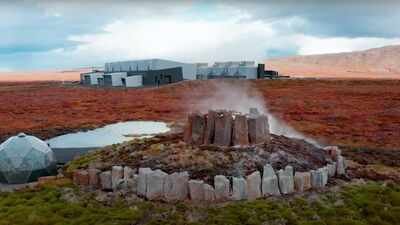
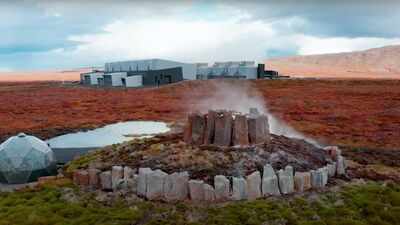
In 2009, a drilling operation in northeast Iceland unexpectedly punched into molten rock at Krafla, revealing one of the hottest geothermal resources ever reached by a borehole. The Iceland Deep Drilling Project(IDDP) had been searching for high-temperature geothermal energy, but instead of finding only hot water and rock, the drill encountered magma at about 2.1 kilometres below the surface. Temperatures there were estimated at roughly 900–1,000°C. What followed turned an accident into an extraordinary energy experiment. Engineers managed to complete the well and draw superheated steam from the area around the magma, showing that heat close to molten rock could deliver far more energy than geothermal wells. The result also gave scientists a unique glimpse into a part of Earth that is almost impossible to reach, setting the stage for a more ambitious attempt to study and use magma.
1000°C magma encounter become an energy experiment
Instead of simply abandoning the well, the project team decided to find out what the unexpected magma encounter could actually do. The engineers installed a steel casing in the well, with the lower section perforated near the magma. The hole was then allowed to heat gradually. Eventually, it began producing extremely hot, high-pressure steam. IDDP-1 produced superheated steam for roughly two years, until July 2012. During testing, the steam reached temperatures above 450°C, making the well the hottest geothermal production well in the world at the time. The steam could also be fed directly into the existing Krafla power plant. The result was much more significant than setting a temperature record. It demonstrated that a geothermal well could operate extremely close to molten rock and draw useful energy from the intense heat surrounding it.
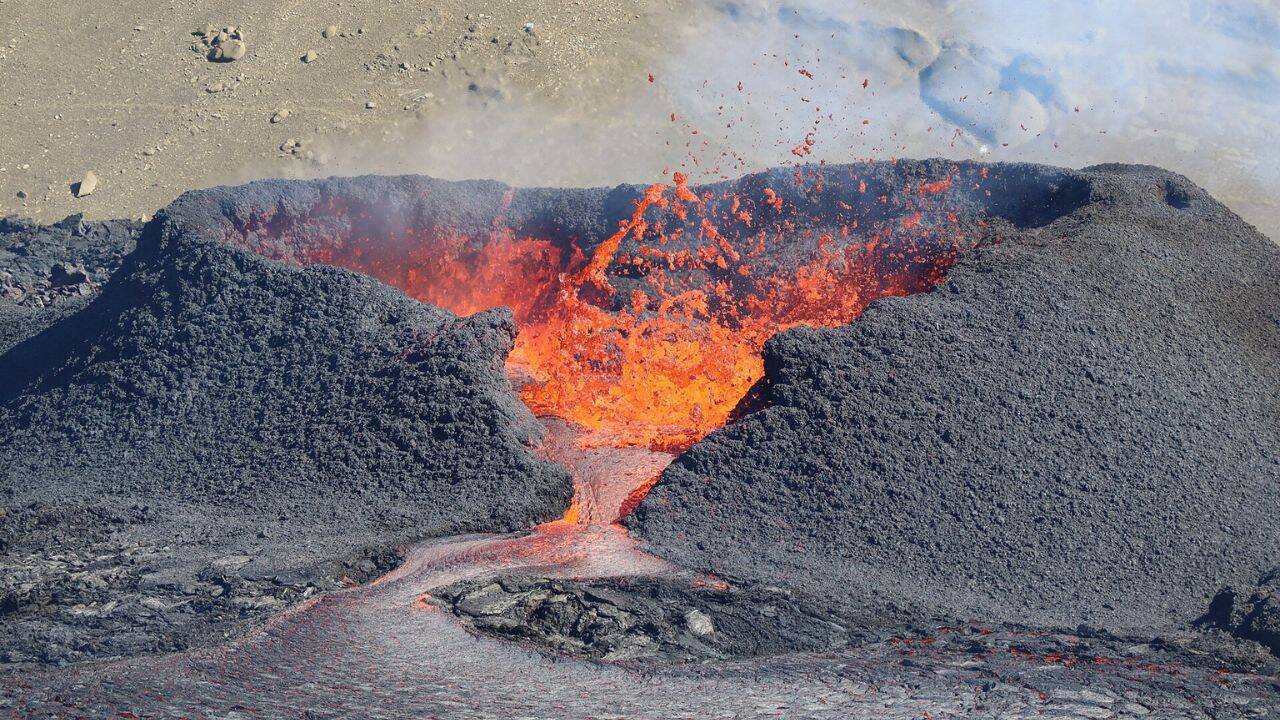
A close-up image of the Fagradalsfjall volcanic eruption in Iceland showing bubbling lava. Image Credit: Wikipedia
What was the drilling team looking for in Iceland
The team was searching for a better source of geothermal energy. The IDDP was established to investigate whether extremely hot underground conditions could provide much more energy than conventional geothermal systems. At Krafla, in northeast Iceland, the project planned to drill far deeper than the point where most geothermal wells normally operate. According to PhysOrg, IDDP-1 was intended to explore high-temperature resources, with the original drilling programme taking the well towards depths of around 4.5 kilometres. Instead, the drill encountered something completely unexpected at just 2.1 kilometres which was molten rock with temperatures of approximately 900–1,000°C. The discovery was extraordinary because drilling directly into magma is extremely rare. Therefore, Krafla became a natural laboratory where scientists could study what happens when a well reaches the boundary between solid rock and molten material.
Why was the well so much more powerful
The reason was the enormous amount of heat available at such extreme temperatures. Conventional geothermal wells generally rely on naturally heated underground water. Superhot geothermal systems aim to reach much hotter conditions, where water carries substantially more energy. The ‘Clean Air Task Force’ reported that IDDP-1 could have generated up to 36 megawatts of electricity, equivalent to roughly 5-10 times the output of a typical commercial geothermal well operating at lower temperatures. It also described the well as the world’s hottest production well when it reached 450°C during operation. The reason is relatively simple that when ‘water is subjected to extreme underground heat, it can become superheated steam capable of carrying far more energy to the surface.’ That is why the accidental discovery became so important. The drill had not simply found hot rock; it had revealed a potentially much more energy-dense geothermal resource.
Challenges created by the extreme heat inside the well
The same conditions that made IDDP-1 powerful also made it incredibly difficult to operate. The ‘Clean Air Task Force’ noted that the project faced severe corrosion while the well was heating up. The casing also had to withstand exceptionally hostile temperatures and fluids. Once the fluid became sufficiently hot, however, corrosion decreased substantially. The experience showed engineers that future wells would need carefully designed casings, valves, cement and surface equipment capable of surviving these conditions.The project also faced mechanical setbacks. According to AAPG, the drill became stuck and the team had to sidetrack the well during the effort. The experience nevertheless produced valuable information about drilling through extremely hot and pressurised underground environments. Eventually, IDDP-1 was shut down in 2012 after problems with surface equipment. But the experiment had already proved its central point that extremely hot geothermal resources could potentially produce dramatically more electricity from a single well.
Foundation of the Krafla Magma Testbed(KMT)
The unexpected discovery did not end with the IDDP-1 experiment. Instead, it inspired a much larger scientific ambition. The Krafla Magma Testbed (KMT) was developed as an international project designed to create the world’s first magma observatory. Its aim is to deliberately access magma at Krafla and study it directly rather than waiting for another accidental encounter. KMT says the site is particularly valuable because a known magma body exists at relatively shallow depth, making Krafla an exceptional place for controlled research.The ‘International Continental Scientific Drilling Program’ states that rhyolitic magma at Krafla is known to exist at roughly 2.1–2.5 kilometres depth and around 900°C. Researchers hope to examine the boundary between the magma and surrounding rock, while also keeping the well available for long-term observations. The planned work is about more than electricity. Scientists want to understand how heat and fluids move around magma, improve instruments that can survive extreme underground conditions and learn more about volcanic systems.
Could magma become a new source of geothermal power
The Krafla experience suggests that it could, although major engineering challenges remain. KMT describes superhot geothermal resources as having the potential to greatly increase energy output per well. The project is being developed as both a research facility and a testbed for technologies that could eventually make these resources easier and safer to utilise. The AGU report also noted that KMT could help researchers understand how heat moves from magma into the surrounding geothermal system. One earlier analysis suggested that long-term flows of superheated steam from the IDDP-1 area could potentially produce more than 30 megawatts of electricity from a single well. The accidental drilling of 2009 ultimately changed the direction of geothermal research. Today, the goal is no longer to avoid magma. Scientists and engineers are increasingly asking whether, with the right technology, they can safely reach it, understand it and perhaps one day turn its extraordinary heat into a dependable source of clean electricity.
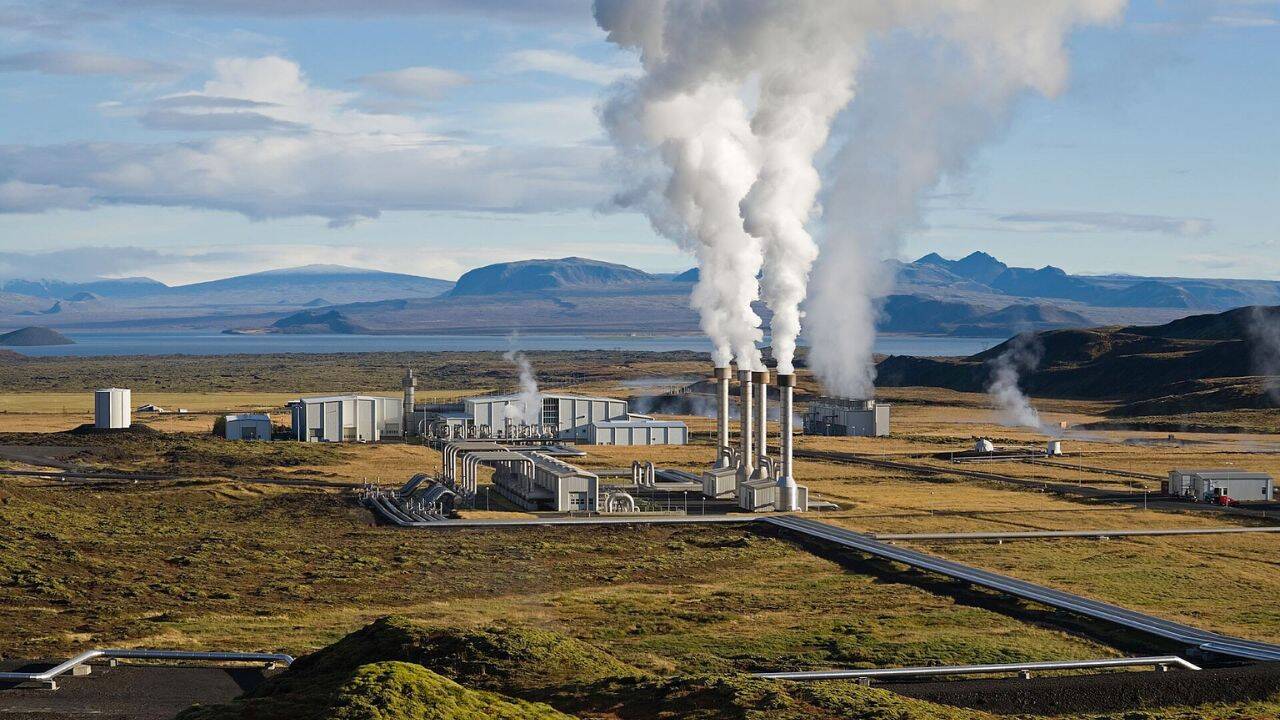
Nesjavellir Geothermal Power Station in Iceland. Image Credit: Wikipedia