








Texas has relied on its old thermal power plants for a long time, but a massive shift is currently reforming the state’s electric network. The Electric Reliability Council of Texas(ERCOT), the body responsible for managing the majority of the state’s power flow, has supervised a required change towards renewable energy sources. This transition reached an important milestone during the cruel heat of July 2024.It broke many all-time records for energy demand, but still the grid remained stable, and avoided the conservation notices that had filled its basket for many years. This new resilience is because of a rapid expansion of solar panels and battery systems. These technologies provided a large safety margin, securing the grid from the extreme stress during peak summer demands. Texas continues to move ahead of other regions in green energy adoption, but it also faces a balancing act between innovation and future reliability.
Solar power becoming the silent saviour of Texas
In late July 2024, the state experienced a hard test of its electrical framework. On July 21st and 22nd, the Electric Reliability Council of Texas (ERCOT) managed record-breaking demand that was not registered as a crisis. This stability became possible because solar infrastructure provided a 20,000 megawatt buffer to protect the grid.The Dallas Federal Reserve reports that between June and August of that year, solar generation contributed nearly 25% of the total power needs of the state during the hottest hours of the day. Energyscape Renewables reports that Texas now has the fastest-growing solar market in America, by installing 7.4 gigawatts in the first 9 months of 2025, which is almost double of California’s output. This growth has shifted a system which was vulnerable at a time, to a national leader in renewable integration.
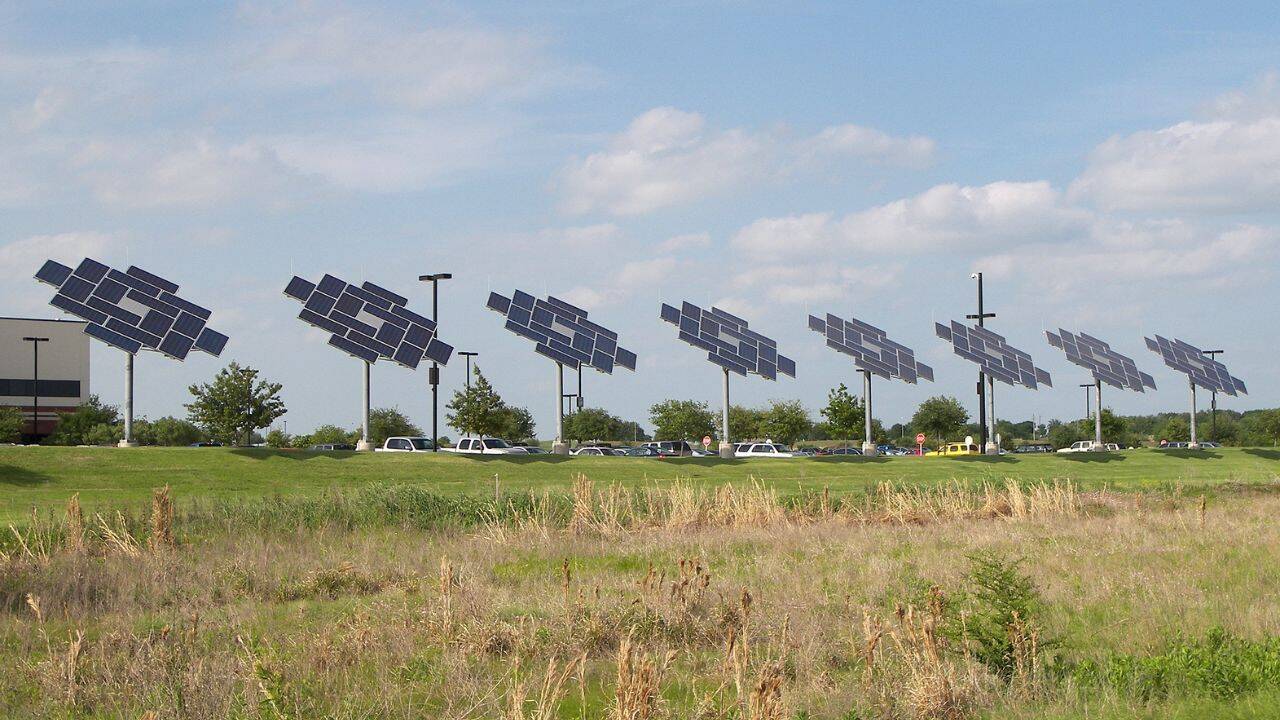
Solar array in Austin. Image Credit: Larry D. Moore/Wikipedia
How are batteries changing the landscape of renewable energy in Texas
Modern solar projects are not just about panels, they are majorly defined by storage. Energyscape Renewables points out that 85-90% of new solar installations now have battery systems as a standard feature. During evening hours, when demand remains high but solar output decreases, battery output fills the gap.The Dallas Federal Reserve highlights a record-breaking moment in August 2024 when battery facilities provided 3,927 megawatts to support the grid during a peak load event. This capacity has brought a new economic principle known as ‘arbitrage,’ where operators charge batteries when prices are low and sell energy when it is most expensive. However, the Dallas Fed also reports that when more batteries enter the market, they may bring down the prices, which can affect the profitability of these storage projects.
Is the current infrastructure ready for future demands
The electricity demand of Texas is growing at great speed. The Baker Institute for Public Policy claims that a strong population growth and robust economic activity are primary drivers of this increasing demand. New sectors such as cryptocurrency mining, electric vehicles, and large-scale data centres are placing a huge pressure on ERCOT. Data centres alone could cover almost 156 gigawatts of new load by the end of the decade.However, the Baker Institute warns about significant ‘geographic inconsistency’ between where power is generated and where it is consumed. Problem in transmissions is an ever present issue, with limitations in nearly 78% of operating intervals during the summer of 2023. To address this, Energyscape Renewables reports that ERCOT has approved a ‘$33 billion transmission backbone’ to update the grid and remove the limitations.
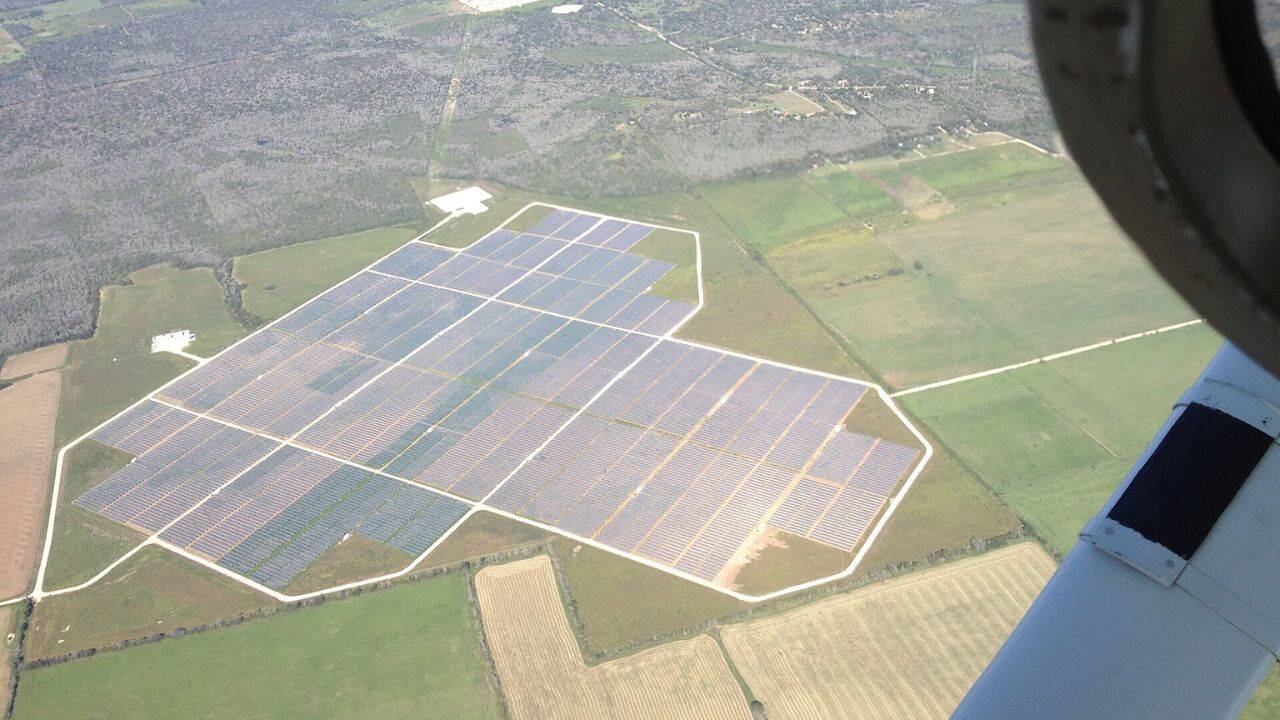
Aerial Photo of Webberville Solar Farm in Texas. Image Credit: Wikipedia
What are the possible challenges for the winter season
Winter presents a different set of challenges. The Dallas Federal Reserve warns that the pairing between the panel and the battery that works so well in the afternoon heat, is less effective during cold winter mornings. On cold days, peak demand usually occurs before sunrise, which makes the grid dependent on thermal sources like natural gas and coal.The Baker Institute notes that there has been limited investment in these generation sources, which are necessary to provide a backup plan when renewable sources are unavailable. This creates a situation where reliability must be treated like an insurance policy, which requires a mix of resources to protect high-impact weather events.The transition of the Texas energy market represents a massive shift towards a resilient electrical grid. The state’s solar industry is valued at approximately $50.1 billion. However, the Baker Institute suggests that the real challenge is the inclusion of reliability in the model to ensure long-term stability. Balancing the fast adoption of renewable technology with the need for steady, reliable power will define the next chapter of Texas’s energy ecosystem.