









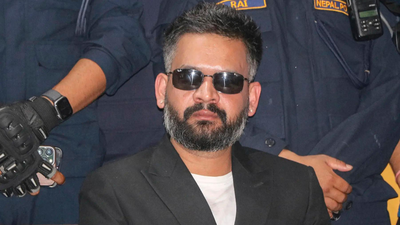
Balen Shah/Image: PTI
A 35-year-old rapper from Kathmandu, known for writing hard-hitting lyrics on politics, corruption, and social issues, is set to become Prime Minister of Nepal. Balendra Shah, better known by his stage name Balen. Balen begins his hip-hop career with his debut track “Sadak Balak”, a song that tells the story of a street child trying to survive without losing dignity. At its core, the track highlights abandonment, hunger, and life on the streets, while questioning a society that overlooks its most vulnerable. It wasn’t flashy or overly technical, but that was the point. His focus was always on real stories over rap flex.
In 2013, he gained wider recognition after stepping into the Nephop battle scene through Raw Barz, a platform pioneered by Yama Buddha and inspired by North American formats like King of the Dot. His breakout moment came in a high-intensity clash against Litl Grizl, where he delivered sharp disses, multisyllabic rhymes, and a commanding stage presence. The battle quickly gained traction online, establishing Balen as a serious force in the scene and marking one of the standout moments of Raw Barz’s early “golden era.”Balen’s most famous and controversial song is “Balidan” (Sacrifice), a protest rap about corruption and how the system is failing people. In this track, he uses a simple rhyme pattern and a steady flow, which helps the message come across clearly. At its core, the song focuses on how leaders and those in power have let the country down. He talks about corruption, unfair systems, and how common people continue to struggle while the powerful benefit. ID@undefined Caption not available.In 2020, Balen dropped Savage, which is more aggressive and explicit, with sharper wordplay. In lines like “underrated but understood by undereducated,” he uses internal rhyme and repetition to build rhythm within the bar. Compared to Balidan, the tone here is more confrontational.Balen isn’t confined to hardcore political rap. In “Marpha Ko Madira”, he moves into melodic rap, comparing love to wine — “मेरो मसक्क मस्किने मायालु मार्फा को मदिरा…” (“my beloved, as smooth and intoxicating as Marpha wine”). The flow slows down, the delivery softens, and emotion takes over. The track leans on a simple, loop-based cadence with minimal flow variation, allowing the melody and repetition to carry the song. Instead of dense rhyme schemes, he uses paired rhymes and monorhyme hooks to keep it accessible and memorable.The writing shifts from confrontation to imagery and symbolism, drawing on cultural references like Marpha wine to frame love as something smooth, immersive, and addictive. There’s also a layer of spiritual and poetic expression, with references to enduring, almost timeless love that push the song beyond surface-level romance.His storytelling peaks in “Aam Nepali Buwaa”, featured in the film Jhari Pachhi Ko Indreni. The song focuses on an ordinary working-class father dealing with pressure from all sides, family, work, and a system that doesn’t reward honesty. The chorus, adapted from “Kun Mandir Ma Janchhau Yatri” by Robin Sharma, adds a familiar emotional layer. It’s less about attacking the system and more about showing its impact.Stylistically, Balen operates at the intersection of hip-hop, rap, and trap. His sound reflects global influence but remains rooted in Nepali storytelling. He combines modern production with local elements, creating music that feels both contemporary and culturally grounded.Lyrically, he leans toward introspection, using his verses to question social norms and reflect lived realities. His strength lies in balancing personal narrative with broader commentary. While much of his work is politically driven, he also brings variation through lighter, more energetic tracks.His themes extend beyond mainstream rap, focusing on corruption, inequality, mental health, and youth frustration. Many of his songs reflect the mindset of Nepali youth, their anger, aspirations, and demand for change. In that sense, he functions not just as an artist but as a voice for a wider generation.
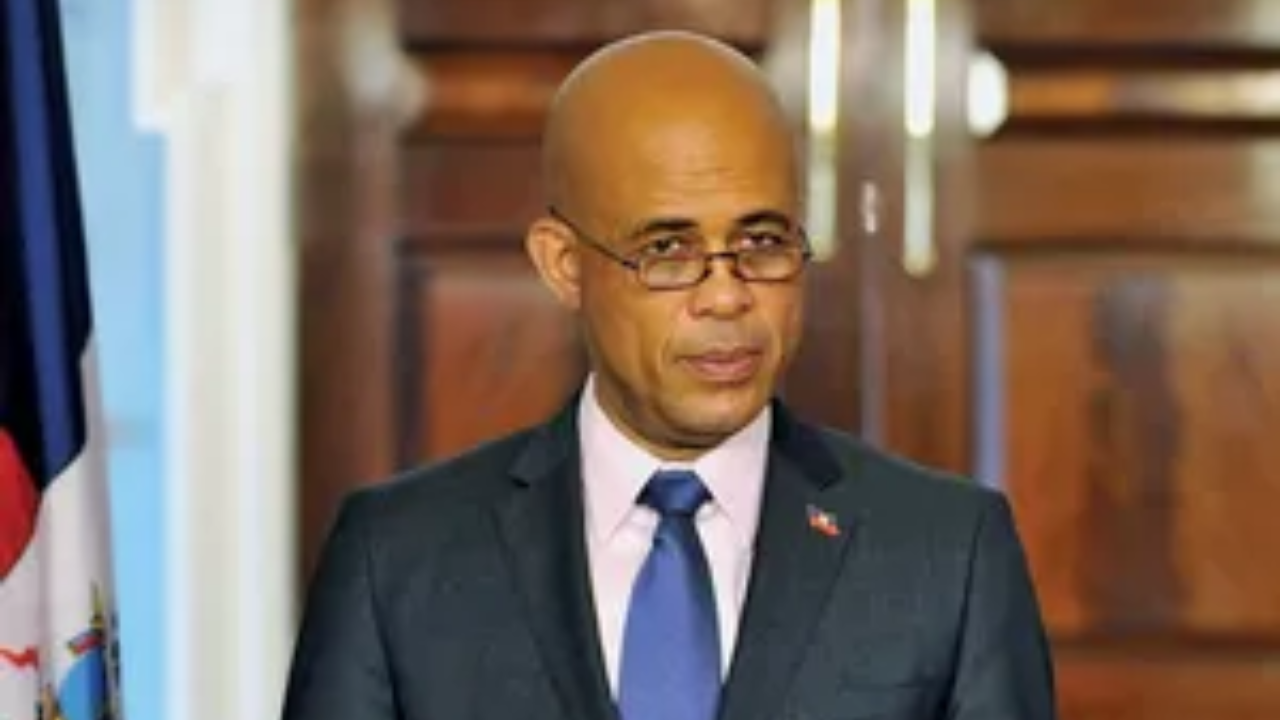
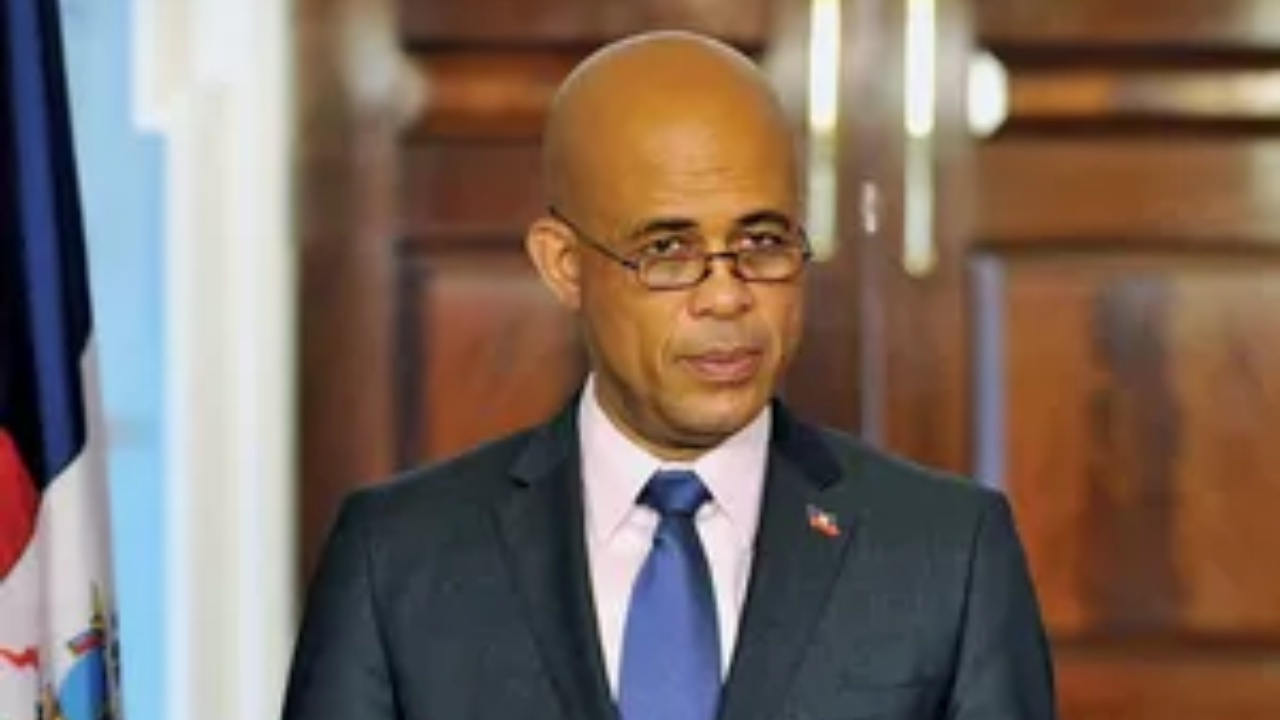
Michel Martelly/Image: X
This isn’t the first time someone from the music industry has gone on to lead a country. In Haiti, a Caribbean nation, Michel Martelly, a musician, became the 47th President and served from 2011 to 2016.