







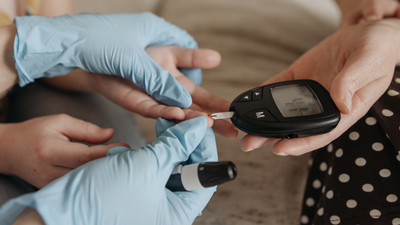
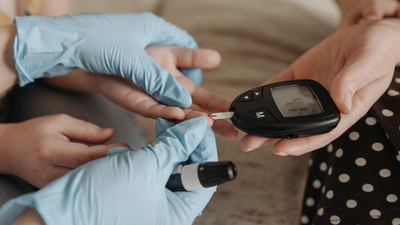
Researchers at Stanford Medicine have reported a breakthrough in Type 1 diabetes research after successfully curing the disease in mice using a new method designed to “reset” the immune system. The experimental treatment combined stem-cell transplants, insulin-producing pancreatic cell transplants and a much gentler preparation process involving low-dose radiation and immune-targeting drugs. After treatment, the mice no longer needed insulin injections or long-term immune-suppressing medicines during the study period. Scientists believe the approach could eventually help researchers develop better treatments not only for Type 1 diabetes, but also for other autoimmune diseases and organ transplant complications.Type 1 diabetes is an autoimmune disease in which the body’s immune system mistakenly attacks insulin-producing beta cells in the pancreas. Once these cells are destroyed, the body loses its ability to regulate blood sugar levels naturally, forcing patients to depend on lifelong insulin treatment. One of the biggest challenges in developing a cure has been that replacing insulin-producing cells alone is often not enough, since the immune system can attack the new cells as well.The research was led by Seung K. Kim, director of the Stanford Diabetes Research Center and professor of developmental biology, endocrinology and metabolism at Stanford. The November study’s lead author was Preksha Bhagchandani, while the April follow-up study was led by Stephan Ramos. The work also built on years of research by Judith Shizuru and the late Samuel Strober, whose earlier studies explored how hybrid immune systems could help prevent transplant rejection without severe immune complications.
What Stanford scientists actually did in Type 1 diabetes experiment
The Stanford team attempted to solve two major problems at once: replacing damaged insulin-producing cells while preventing the immune system from destroying them again.To carry out the experiment, Stanford scientists gave diabetic mice blood stem cells and insulin-producing pancreatic cells from donor animals. Before the transplant, the mice received low-dose radiation and special drugs that weakened the harmful immune response without fully destroying the immune system. Researchers said this made the process much safer and gentler than traditional transplant treatments.The goal was to “reset” the immune system so it would stop attacking insulin-producing cells. After treatment, the mice developed what scientists called a “hybrid immune system”. Their bodies contained a mix of immune cells from both the donor and the original recipient. Researchers said this helped the body accept the new insulin-producing cells instead of destroying them.Scientists also found that none of the mice developed graft-versus-host disease, a serious complication that can happen after stem-cell or bone marrow transplants. In this condition, immune cells from the donor begin attacking the recipient’s healthy organs and tissues because the body recognises them as foreign. Researchers said avoiding this complication was one of the most important parts of the experiment because it showed the treatment may be safer than traditional transplant approaches.
The study built on earlier diabetes experiments
The new findings expanded on an earlier Stanford study published in 2022, where researchers first induced diabetes in mice by chemically destroying insulin-producing cells. In that earlier experiment, gentler immune-conditioning methods combined with blood stem cell and islet cell transplantation successfully reversed the disease.The newer study addressed a more difficult challenge: autoimmune diabetes, where the immune system naturally and continuously attacks insulin-producing cells. Researchers explained that this more closely resembles human Type 1 diabetes because the immune system remains programmed to destroy beta cells regardless of whether they are original or transplanted cells.To overcome that problem, the Stanford team added an autoimmune disease drug to the pre-transplant regimen. The adjustment allowed donor stem cells to establish themselves more effectively and retrain the immune system.
The results stunned researchers
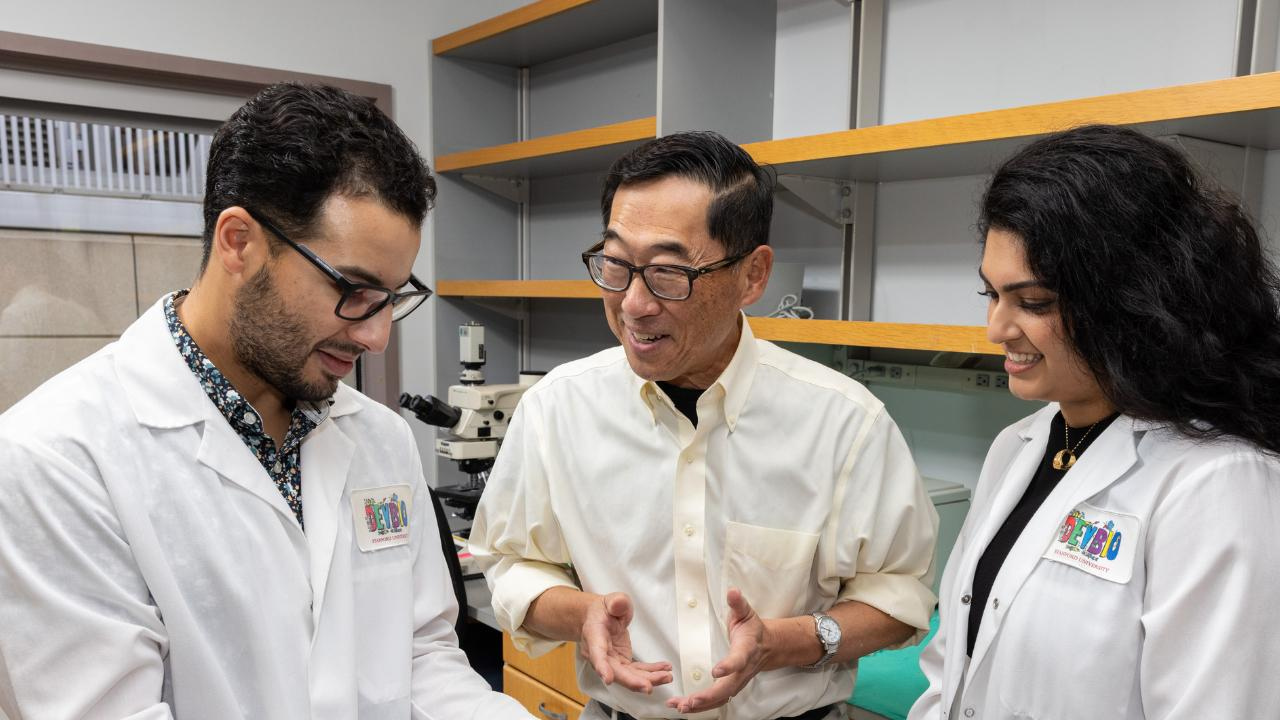
The results were unusually strong for a preclinical diabetes experiment.According to the researchers, all 19 mice predisposed to autoimmune diabetes were protected from developing the disease, while all nine mice with established Type 1 diabetes were reportedly cured after treatment. During the six-month study period, the animals maintained blood sugar control without insulin injections or long-term immunosuppressive drugs.In a follow-up study published in April, researchers refined the process further by reducing the radiation dose used before transplantation from 225 centigray to just 10 centigray. For comparison, traditional bone marrow transplants often require radiation doses of around 1,200 centigray along with aggressive chemotherapy.The lower-radiation approach still cured mice with induced diabetes while allowing the animals to remain fertile and avoid major side effects associated with conventional transplant preparation methods.
Why the low-radiation approach matters
Traditional bone marrow transplants can involve severe side effects because they require destroying much of the recipient’s immune system before transplantation. High-dose chemotherapy and radiation can increase the risk of infertility, infections and certain cancers.The Stanford approach aimed to avoid those risks by using a significantly gentler pre-treatment process. Researchers said lowering radiation exposure to minimal levels could make future human applications safer and more realistic.According to Stephan Ramos, the lower-risk conditioning process may eventually allow similar immune-reset strategies to be used for a much wider range of diseases and patients.Researchers also noted that many components used in the experiments — including stem-cell transplantation methods, immune-conditioning drugs and low-dose radiation — are already used clinically for other medical conditions, potentially making future translation to humans more feasible.
Could this work in humans?
Researchers described the findings as highly promising, but stressed that the work remains experimental and has only been demonstrated in mice so far.Several challenges remain before the treatment could be tested widely in humans. Pancreatic islet cells currently come from deceased donors, and both the blood stem cells and islet cells must come from the same donor. Scientists also do not yet know whether enough donor islet cells can be consistently obtained to reverse established Type 1 diabetes in human patients.Researchers are now exploring possible solutions, including generating insulin-producing islet cells from pluripotent stem cells in laboratories and improving the survival and efficiency of transplanted donor cells.
What this could mean beyond diabetes
The implications of the research may extend far beyond Type 1 diabetes alone.Researchers believe similar immune-reset strategies could eventually help treat rheumatoid arthritis, lupus, sickle cell disease and complications involving organ transplantation. The broader goal is to retrain the immune system safely rather than suppress it permanently.The work also builds on earlier Stanford transplant research showing that hybrid immune systems can help the body accept transplanted organs for years without continuous immune-suppressing drugs. Earlier kidney transplant studies demonstrated that some patients maintained long-term organ function for decades after developing mixed donor-recipient immune systems.If similar approaches eventually succeed in humans with autoimmune diseases, scientists believe the research could fundamentally change how immune disorders and transplant rejection are treated in the future.
What comes next
The Stanford team plans to continue refining the treatment and testing safer conditioning approaches in additional animal studies before moving toward human clinical trials.Researchers specifically plan to test the newer ultra-low-radiation method in mice with spontaneous autoimmune Type 1 diabetes rather than chemically induced diabetes alone.For now, scientists caution that the findings should not be viewed as an immediate cure for human patients. Still, the study is being regarded as one of the more significant recent advances in experimental Type 1 diabetes research because it combined disease reversal with a much gentler and potentially safer immune-conditioning process.