



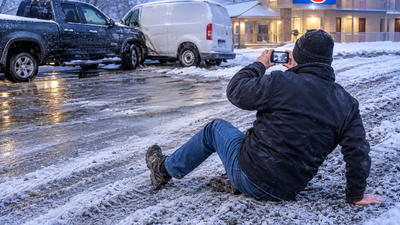
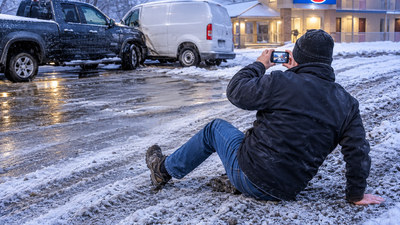
An icy parking lot turned an early-morning vehicle accident into a personal injury dispute after a hotel guest slipped and injured his shoulder while photographing damage to another vehicle. Although the entire parking area had experienced freezing conditions, the guest argued that the spot where he fell was particularly dangerous because of uncleared snow, accumulated ice and deep tyre tracks. A lower court dismissed his lawsuit, but a Missouri appeals court has now found that the circumstances required further examination.In an opinion issued on November 10, 2026, the Missouri Court of Appeals, Western District, reversed the summary judgment granted to Super 6 Inn, LLC, which operates the Motel 6 property in Kingdom City. In Jeff Woosley v. Super 6 Inn, LLC., d/b/a Motel 6, the court ruled that factual disputes remained over whether the hotel had allowed an artificially dangerous condition to develop in part of its parking lot. The decision, available on Justia, sends the case back to the lower court for further proceedings.
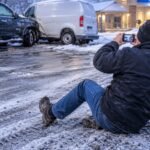
Truck slid into a parked van on icy morning
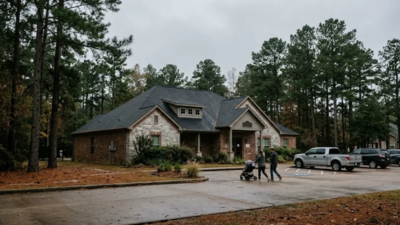
According to the court’s opinion, Jeff Woosley was staying at the Motel 6 on Jade Road in Kingdom City on the night of January 21-22, 2024. He was working as a maintenance training instructor at a nearby nuclear power plant. The hotel’s parking lot had two sections: a concrete area with designated spaces for passenger vehicles and an adjoining gravel area used by larger trucks and cargo vehicles.The concrete section had been cleared following an earlier winter storm, but the gravel section had not received similar treatment. Snow removed from the concrete area had also been pushed towards the boundary between the two sections. Vehicles using the gravel area had created deep ruts in the accumulated snow and ice.On the morning of January 22, freezing rain and sleet began falling shortly after midnight. At around 6am, Woosley went outside to start his truck before returning to his room to let it warm up. When he came back approximately 20 minutes later and attempted to leave, his truck began sliding on the inclined, icy concrete surface. It struck a white work van parked partly on the concrete and partly on the gravel.Woosley initially inspected the damage and returned inside to contact the Highway Patrol. After learning that an officer would take some time to arrive, he asked the hotel attendant for information about the van’s owner.
Guest fell while photographing the damage
Between 6.30am and 7am, Woosley returned outside to photograph the damage and obtain the van’s registration number. It was still dark. While recording the accident scene with his phone, he walked from the concrete parking area onto the adjoining gravel section. His foot slipped on the uneven, icy surface, and he fell, striking his left shoulder against the ground.He later drove approximately three hours to an emergency room in St. Joseph for medical treatment. Woosley subsequently filed a negligence and premises liability lawsuit against the hotel. He alleged that it had failed to properly remove snow and ice or apply ice-melting treatment, leaving the parking area unsafe for guests.
Why the lower court dismissed the lawsuit
Super 6 Inn argued that it had no legal duty to remove naturally accumulating snow and ice during an ongoing winter storm. It relied on the Massachusetts Rule, a legal principle recognised in Missouri that generally protects property owners from liability for injuries caused by natural accumulations of snow and ice resulting from weather conditions affecting the wider community.The hotel also argued that the icy conditions were open and obvious because Woosley had already encountered the slippery parking lot several times before falling. The Callaway County Circuit Court accepted these arguments and granted summary judgment to the hotel in August 2025, dismissing the lawsuit. Woosley appealed, arguing that the court had overlooked the different conditions in the concrete and gravel sections.
Appeals court found a factual dispute
The appeals court agreed that the lower court had not properly considered the specific location where Woosley fell. The judges noted that his earlier trips had been across the concrete section, whereas his fall occurred on the separate gravel surface. His awareness of general icy conditions did not automatically establish that he knew about the particular danger created by packed snow and uneven tyre tracks.The court also found that the Massachusetts Rule did not necessarily protect the hotel. Evidence suggested that its failure to clear the earlier snowfall, the movement of snow from the concrete area and vehicle traffic over the untreated gravel could have created a localised, artificially dangerous condition. These circumstances raised genuine factual questions that could not be resolved through summary judgment.
What happens next
The Missouri Court of Appeals reversed the lower court’s judgment and remanded the case for further proceedings. All three judges agreed with the decision. The ruling does not establish that Motel 6 was negligent or that Woosley is entitled to compensation. It means only that his claims should not have been dismissed at this stage because the evidence raised questions requiring further examination.The case highlights the distinction between naturally occurring winter weather conditions and additional hazards that may develop when property owners fail to maintain particular areas of their premises.