





North Carolina student Aaryan Ghorpade has won a national competition after creating a free online mapping tool designed to reduce wildlife deaths on American roads. Ghorpade took first place in the 16 to 18 age group of the 2024 “A Voice for Animals” contest with his project, “EcoRoute: Mitigating Wildlife-Vehicle Collisions.” The annual competition is jointly organised by the Animal Welfare Institute and Humane Education Network. It recognises young people who use creative ideas and community involvement to solve problems affecting animal welfare. As reported by the Animal Welfare Institute, Ghorpade developed a working early version of a free online roadkill mapping platform. The tool collects information to identify roads where vehicle collisions with wildlife happen frequently. This information can help transport departments and local authorities decide where safety improvements are most needed.
Technology targeting high-collision zones
Wildlife and vehicle collisions cause more than one million animal deaths every day in the United States. They also lead to major property damage and injuries to people. State agencies often find it difficult to identify dangerous road areas because reports are collected through different systems. Ghorpade created EcoRoute as a free platform that anyone can access. It brings together reports of wildlife collisions and uses the information to create heat maps showing high-risk areas. By identifying the exact places where animals regularly try to cross roads, the software helps planners decide where safety measures could be most useful. These measures include special fencing to guide animals, underpasses that allow wildlife to cross beneath roads, and lower speed limits. According to information published by the Humane Education Network, Ghorpade’s project also includes a practical plan for improving transport policies. His proposal looked at how state transport departments could use free, publicly available data in their long-term road planning without spending large amounts on monitoring.
National recognition for student innovation
The “A Voice for Animals” contest was created to encourage young people to get involved in protecting animals. It offers cash prizes to students who present carefully researched ideas for solving animal welfare problems. The Animal Welfare Institute announced that Ghorpade received the $600 first-place prize in the 16 to 18 age category. Judges assessed entries based on original ideas, practical use, and their possible impact on protecting animals. “The innovative ideas presented by these students demonstrate a deep commitment to compassion and problem solving,” stated representatives from the Animal Welfare Institute in their official contest announcement. “Aaryan Ghorpade’s work highlights how technology can serve as a vital tool in creating safer environments for native wildlife.” The 2024 competition also recognised students from around the world who worked on different animal protection issues. Their projects covered topics such as birds hitting windows and the protection of marine habitats.
Practical application for transportation planning
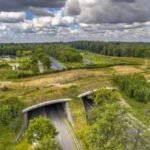
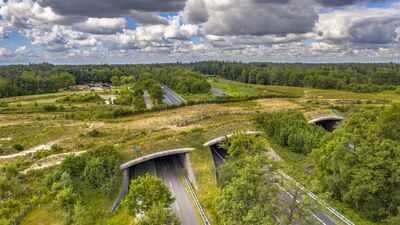
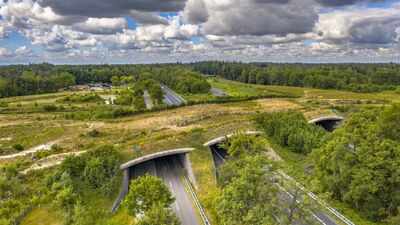
Road projects designed to protect wildlife, including animal overpasses and underpasses, can greatly reduce road deaths when they are built in areas where many animals cross. However, local planners need reliable information about these locations to support spending money on such projects. Ghorpade’s early version of EcoRoute offers an affordable option for local governments that want to use data when planning road improvements. Because the mapping platform is free to access, members of the public and volunteers working in the field can report wildlife sightings. These reports help create updated data that environmental agencies can use. Following his competition win, Ghorpade plans to continue improving EcoRoute. His next steps include making changes to the software’s data collection and processing systems and working with regional wildlife protection groups to test the platform on roads across North Carolina.